
Whiplash from a car accident or other sudden impact can leave you dealing with neck pain, stiffness, headaches, and a feeling that your body “just isn’t the same.” At Tangelo Health in Seattle, we focus on helping active adults, athletes, and busy professionals recover from whiplash in a way that supports both short-term relief and long-term function. In this post, we explain how a whiplash injury chiropractor can help you recover after a collision, what to expect from treatment, and how we approach lasting relief at our chiropractic and rehabilitation clinic.
Understanding Whiplash and Whiplash-Associated Disorders
Whiplash is typically caused by rapid acceleration–deceleration forces applied to the head and neck, as happens in many auto injuries. These forces can stress joints, muscles, ligaments, and nerves in the cervical spine (neck), even when imaging such as MRI or CT does not show obvious damage. The term whiplash-associated disorders (WAD) is used as an umbrella label for the wide range of symptoms that can follow this kind of trauma. People living with WAD often experience interconnected physical, emotional, cognitive, and social challenges that affect everyday life and movement. (1)
Common Symptoms of Whiplash
Symptoms of whiplash can appear immediately or hours to days after an accident.
Common concerns include:
- Neck pain and stiffness, often worse with movement
- Whiplash headaches and dizziness that may interfere with work, driving, or sports
- Limited neck mobility that makes it hard to check blind spots or look over your shoulder
- Upper back and shoulder discomfort
- Difficulty concentrating, fatigue, or sleep disruption related to ongoing symptoms
Many people also describe feeling that their body has changed, that daily life feels destabilized, and that their recovery journey is not just physical but also mental and social. A chiropractor who understands the broader picture after whiplash can help you navigate beyond pain relief.
Why See a Chiropractor After Whiplash?
For many, choosing a car accident recovery chiropractor is about finding a non-surgical, movement-focused plan that can help restore function and confidence.
A personalized chiropractic assessment can:
- Identify joint restrictions, soft tissue injuries, and ligament-related issues that contribute to pain and stiffness.
- Consider how WAD has affected your work, sport, and daily routines, not just your neck.
- Guide a structured plan that includes manual therapy, exercise, and education to support recovery over time.
At our clinic, we also recognize that conventional imaging can be normal even when symptoms are significant. We consider the overall clinical picture and, when appropriate, coordinate with other providers to obtain advanced or dynamic imaging to understand cervical spine mechanics better.
How We Treat Whiplash Symptoms at Tangelo Health
At Tangelo Health, treatment for whiplash after a car accident is built around a biopsychosocial approach that addresses movement, pain, and the way your symptoms are affecting your life. We combine chiropractic care with active rehabilitation to support long-term whiplash relief.
1. Thorough Evaluation and Personalized Plan
Your first visit typically includes:
- Detailed history of the collision, your symptoms, and how WAD is impacting your work, sport, and daily activities.
- Posture, range-of-motion, and movement testing to see how your neck, shoulders, and upper back are functioning.
This personalized chiropractic assessment informs a plan tailored to your goals—whether that is returning to training, commuting comfortably, or caring for your family without constant neck pain.
2. Chiropractic Adjustments for Whiplash
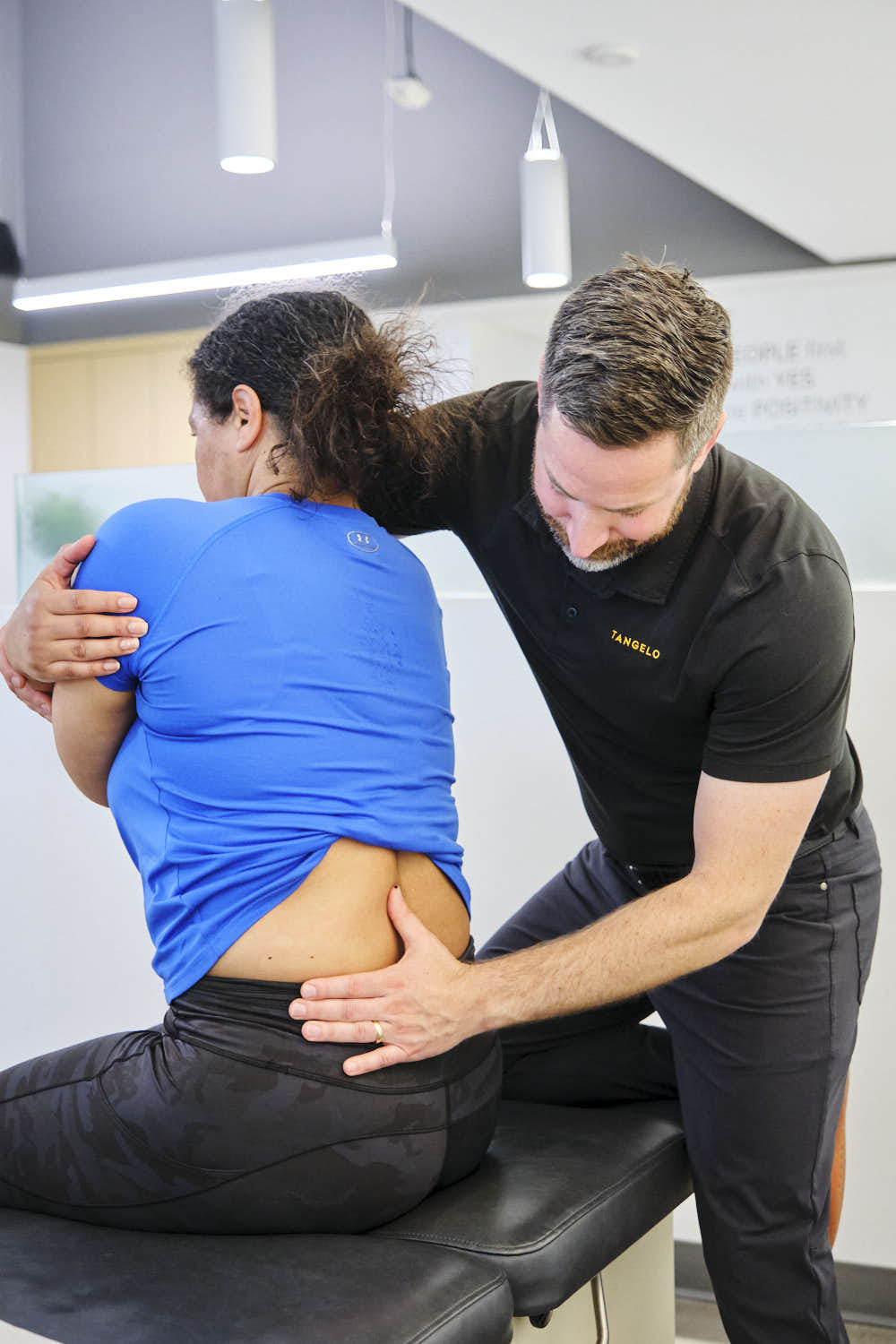
Chiropractic adjustments for whiplash may help improve joint motion, reduce mechanical irritation, and support better alignment and loading of the cervical spine. (2) At our Seattle clinic, we offer gentle, customized chiropractic adjustments that are scaled to your comfort and stage of healing.
3. Manual Therapy for Soft Tissue Injuries
Soft-tissue injury treatment is a key component of non-surgical whiplash recovery.
We may integrate:
- Active Release Techniques to address tension and adhesions in muscles and fascia.
- The Graston Technique is used to gently mobilize restricted soft tissues related to your neck and upper back.
- Cupping therapy to promote circulation and ease localized tightness.
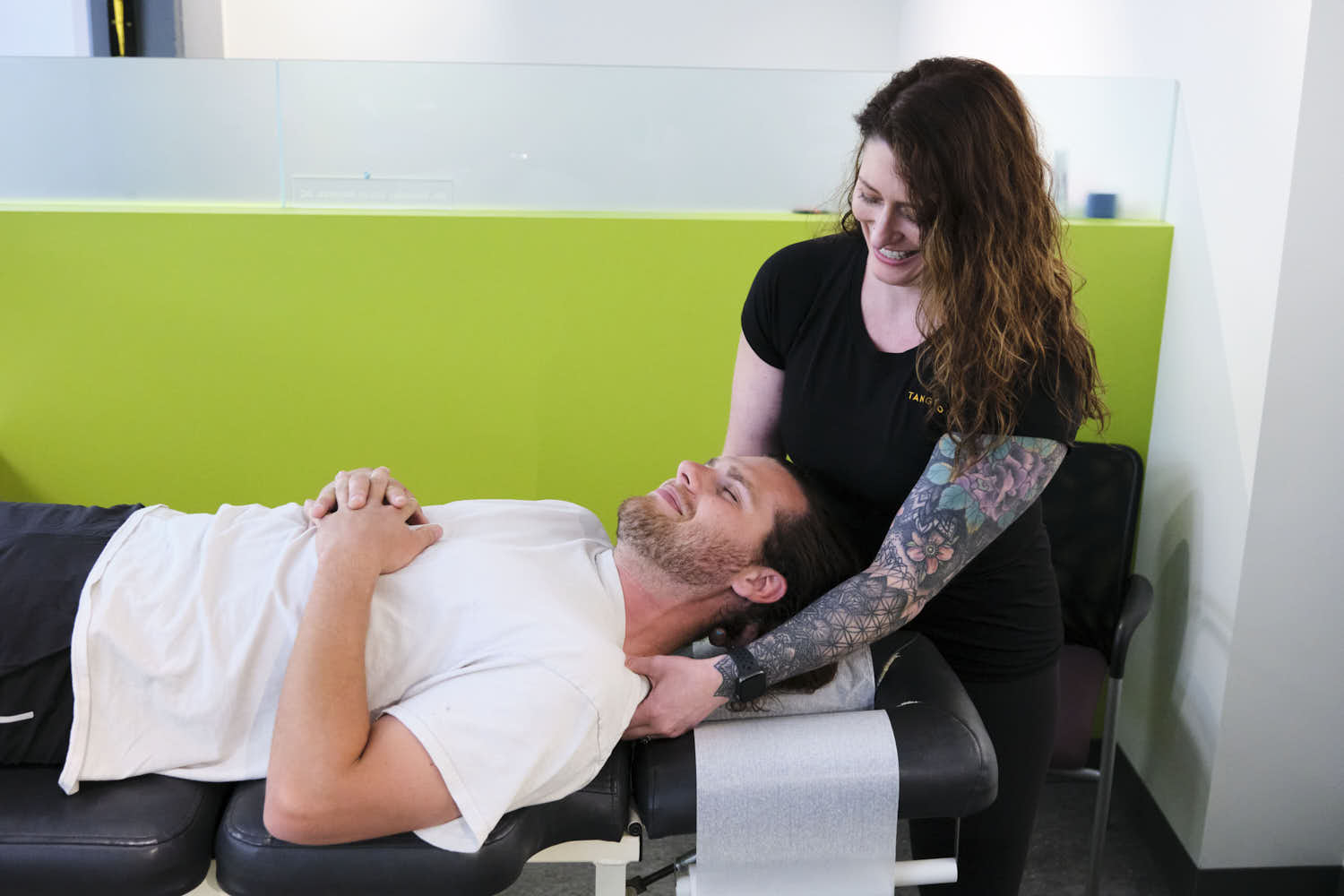
Manual therapy for neck injuries is often paired with exercise to support new mobility and more resilient movement patterns.
4. Functional Rehabilitation and Neck Mobility Exercises
To support long-term whiplash relief, we focus heavily on active care.
At Tangelo, our functional rehabilitation sessions may include:
- Gentle neck mobility exercises to restore safe rotation and extension needed for driving and sports.
- Scapular and upper back strengthening to offload stressed neck structures.
- Core and posture training to support how your entire spine moves and loads throughout the day.
Many patients also ask, “Can chiropractic care improve posture after whiplash?” A combination of adjustments, targeted strengthening, and movement coaching can help you develop more efficient posture strategies over time. (2)
5. MLS Laser Therapy and Decompression Options
In some cases, we may integrate technology-based care to complement hands-on treatment:
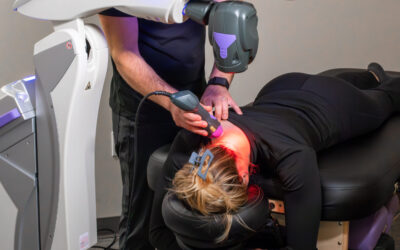
- MLS laser therapy can help modulate local inflammation and support tissue healing around irritated soft tissues.
- Spinal decompression therapy may be considered when disc or nerve-related neck pain is part of your presentation, as part of a larger non-surgical whiplash recovery plan.
These options are discussed on a case-by-case basis as part of your overall whiplash injury chiropractor plan.
Headaches, Dizziness, and Other Whiplash-Related Symptoms
Many people ask, “Can chiropractic care help with headaches caused by whiplash?” Whiplash headaches and dizziness can be related to changes in cervical joint mechanics, muscle tension, and altered loading patterns after trauma. (1,2) By addressing neck mobility, posture, and soft tissue function, chiropractic care may help reduce the frequency or intensity of these symptoms for some patients.
If your main concerns include persistent neck pain, headaches, or broader auto injuries, we tailor your care plan around those priorities.
How Long Does It Take to Recover from Whiplash with Chiropractic Care?
The recovery journey from WAD varies widely, with some people improving quickly and others noticing that whiplash has changed their body and daily life in more lasting ways. Factors such as the severity of the collision, pre-existing conditions, work demands, and emotional stress can affect your timeline. At our clinic, we regularly reassess your progress, adjust your plan, and emphasize tools you can use on your own—like home neck mobility exercises and self-management strategies—to support continued improvement between visits.
Pre- and Post-Chiropractic Care Tips for Whiplash
To get the most out of your care with a neck pain relief chiropractor:
- Before visits: Note what activities aggravate or ease your symptoms, and bring any imaging or medical reports you have.
- After visits: Follow your home exercise program consistently, use recommended ergonomic or posture strategies at work, and communicate any changes in symptoms so we can adjust your plan.
Thoughtful chiropractic follow-up care may help maintain gains, reduce flare-ups, and improve body awareness, strength, and control.
FAQ: Whiplash Care at Tangelo Health in Seattle
Can a chiropractor help with whiplash?
A whiplash injury chiropractor can help with neck stiffness after an accident, headaches, and mobility limitations by combining spinal care, soft tissue treatment, and rehabilitation. Our approach at Tangelo Health is designed to address both the physical and day-to-day impacts of WAD.
Can chiropractic care help with headaches caused by whiplash?
Whiplash headaches often relate to changes in cervical mechanics and muscle tension. By improving neck function and addressing soft-tissue restrictions, chiropractic care may help reduce headache intensity or frequency for many patients.
What if my MRI is normal, but I still have pain?
It is common for people with whiplash-associated disorders to have significant symptoms even when MRI or CT findings are negative. Clinical assessment and, in specific contexts, dynamic imaging can provide additional insight into cervical spine function and ligament stability.
Will my insurance cover chiropractic treatment for whiplash?
In Washington, many auto insurance policies include Personal Injury Protection (PIP), which usually covers chiropractic care for whiplash after a car accident. Coverage varies by plan, and our front desk team can help verify your benefits before you start care.
Can chiropractic care help prevent future car accident injuries?
While no approach can guarantee injury prevention, improving neck strength, joint control, posture, and overall movement quality may help your body better tolerate everyday stresses and minor impacts. A structured plan that includes chiropractic exercises for whiplash and whole-body conditioning can support long-term resilience.
Your Seattle Resource for Post-Collision Neck Pain Care
At Tangelo Health, we understand that whiplash is more than a sore neck—it can disrupt how you move, think, work, and participate in the activities you love. Our team offers an integrated plan that may include chiropractic adjustments, manual therapy, functional rehabilitation, and modalities like laser therapy to help you move better and feel more like yourself again.
Book an Appointment today to start a personalized, non-surgical whiplash recovery plan at our Seattle chiropractic and rehabilitation clinic.
References
- Crestani M, et al. “I’m Not the Same as I Was Before”: A Qualitative Evidence Synthesis Exploring the Experiences and Perceptions of Patients Living With Whiplash-Associated Disorders. J Orthop Sports Phys Ther. 2025. doi:10.2519/jospt.2025.13156
- Vernon LF, et al. Documenting Cervical Spine Injuries Following Negative MRI Findings: Clinical and Medico-Legal Overview of Dynamic Imaging. Cureus. 2025. doi:10.7759/cureus.88121