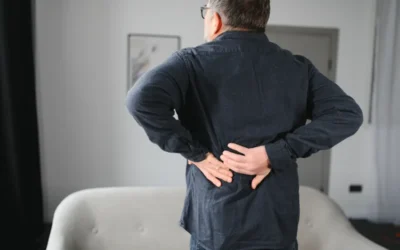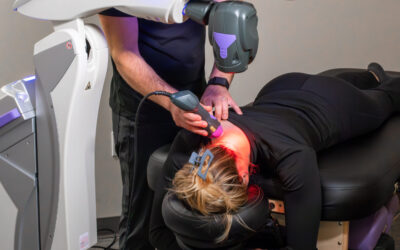
At Tangelo Health in Seattle, we see many active adults, athletes, and busy professionals dealing with back pain, stiffness, and limited mobility. When tight, irritated soft tissues keep your spine from moving the way it should, even simple things like sitting at your desk, lifting your kids, or going for a run can feel challenging. One of the tools we may use to address this is the Graston Technique®, a type of instrument-assisted soft tissue mobilization that can complement chiropractic care, functional rehabilitation, targeted exercises, and more.
What Is the Graston Technique®?
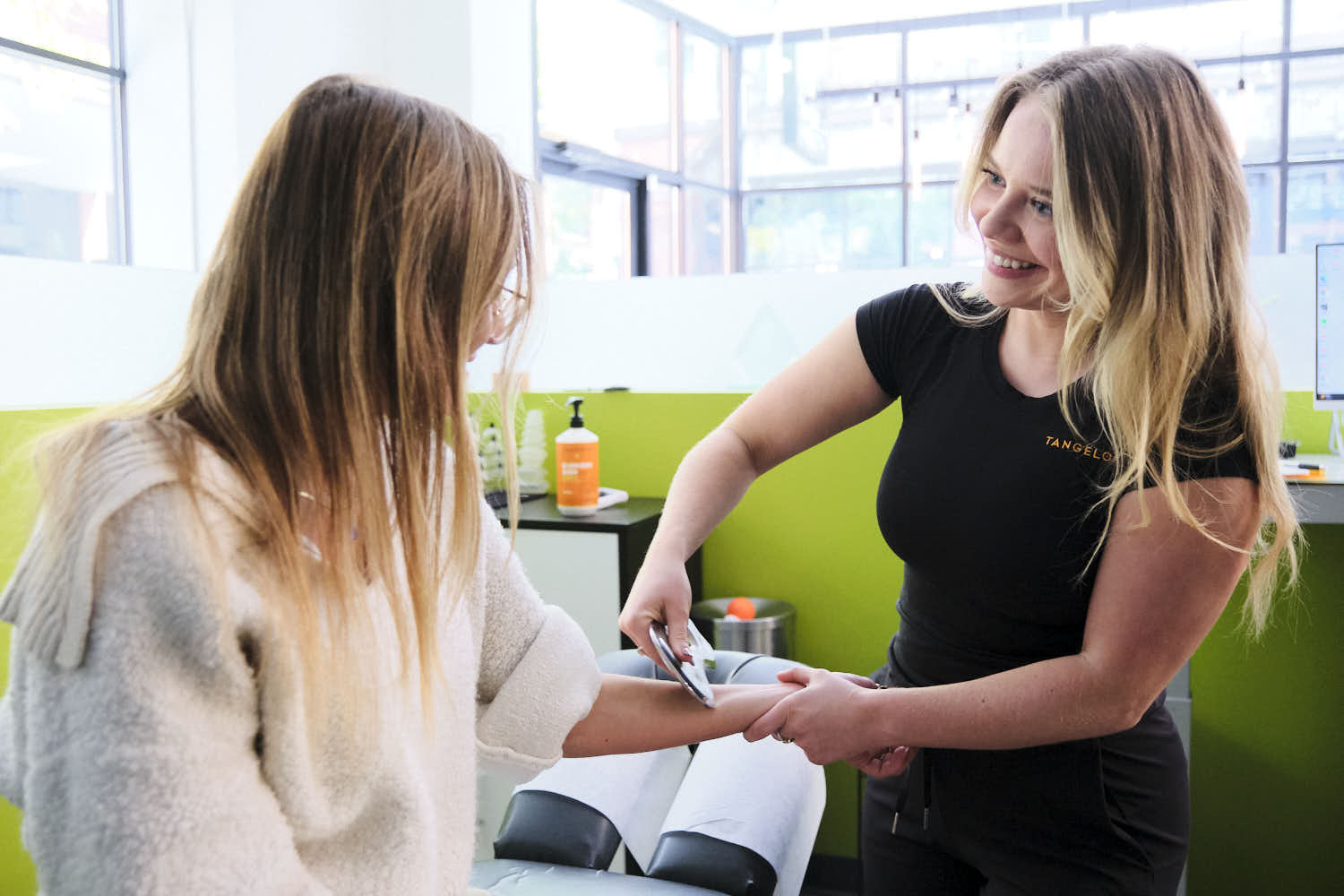
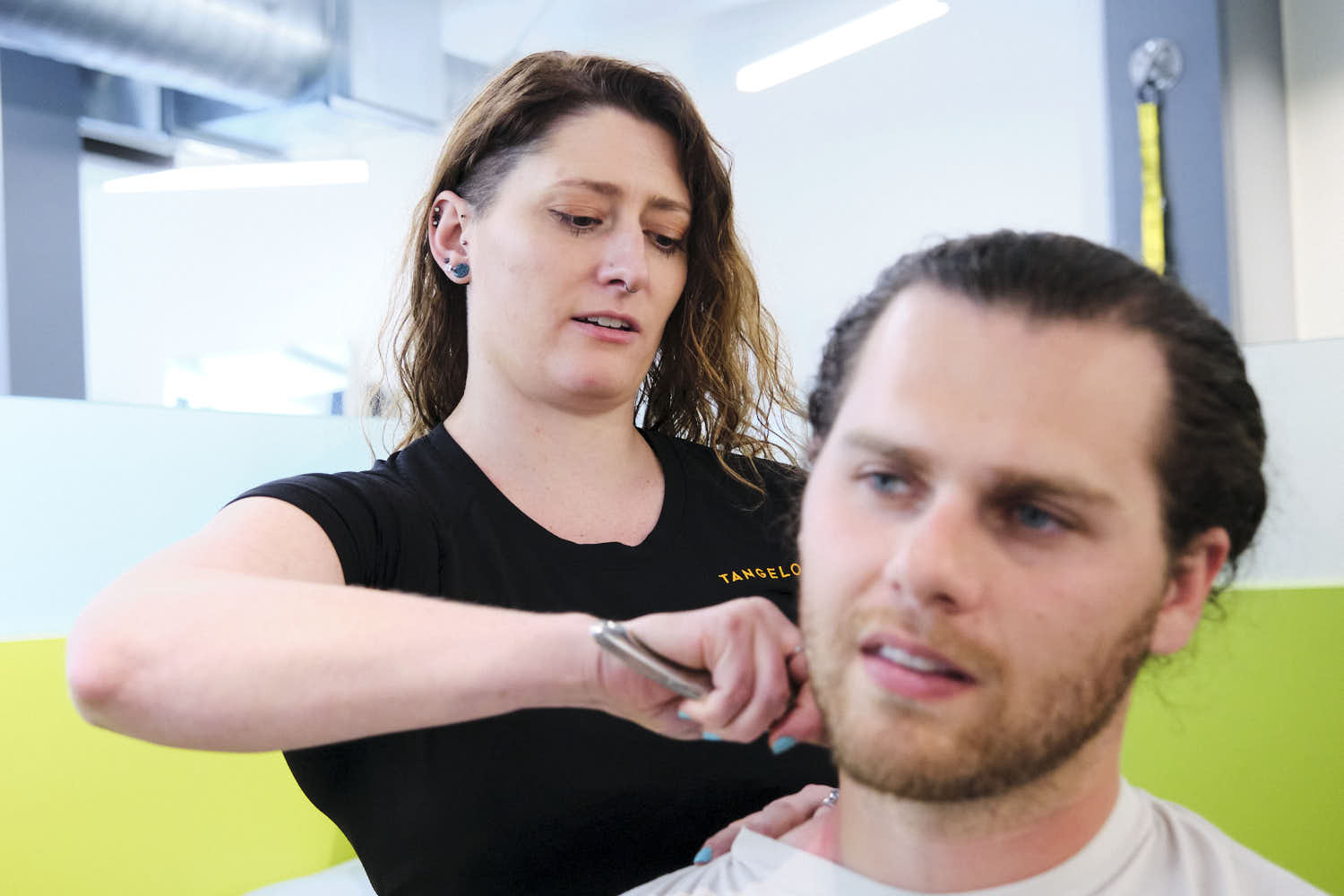
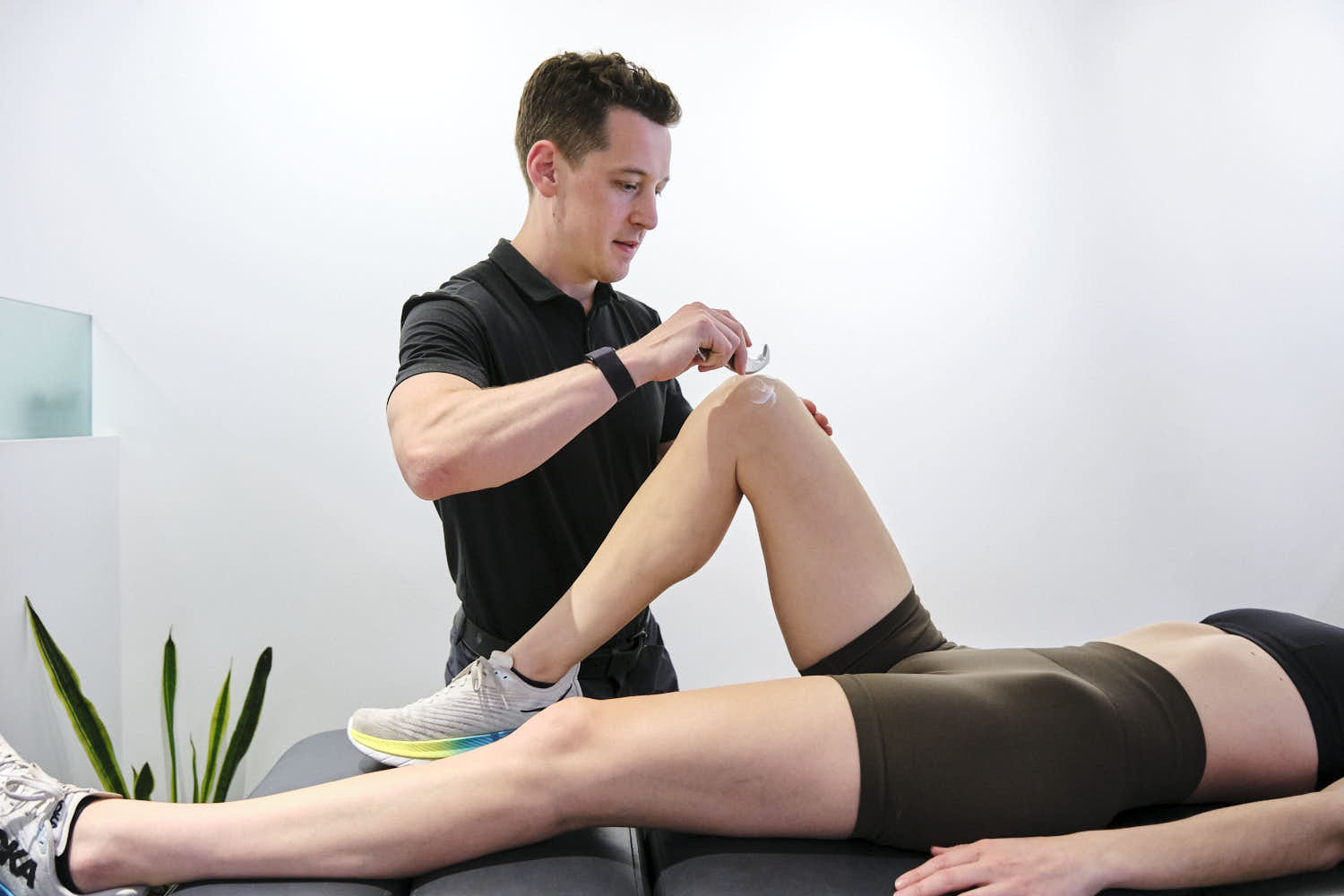
The Graston Technique® is a form of instrument-assisted soft-tissue mobilization (also called IASTM). During a session, we use specially designed stainless-steel tools to gently glide over your skin and soft tissues. These tools help us feel areas of tightness, thickening, or restriction in muscles, fascia, and other connective tissue. We then apply controlled strokes to those spots as part of a broader soft tissue therapy approach. At Tangelo Health in West Seattle and Green Lake, we often combine the Graston Technique® with hands-on chiropractic adjustments, therapeutic exercises, and other manual therapy approaches. Together, these can help reduce muscle tension, improve spinal flexibility, and support healthier movement patterns over time.
How Soft-Tissue Restrictions Affect Back Pain and Mobility
When you are dealing with low back pain, the deep and superficial muscles around your spine often do not work as well as they should. Over time, this can lead to stiffness, protective muscle guarding, and less efficient movement. Exercise therapy has been shown to positively affect the structure of key lumbar muscles, including the multifidus, by improving muscle thickness and cross-sectional area in people with chronic low back pain. (1) These changes are associated with better support for the spine and may contribute to improved function and reduced symptoms.
Soft tissue therapy, like the Graston Technique®, fits into this picture by helping address the quality of the tissues themselves—especially in areas that feel “ropey,” knotted, or stuck. When we ease these restrictions and layer in spine-stabilizing and motor-control exercises, we support both tissue health and muscle performance.
How the Graston Technique® Can Help with Back Pain
People often ask how the Graston Technique® can help with back pain or chronic back stiffness. In our experience, when used as part of a comprehensive plan, this type of fascia release therapy and connective tissue treatment can help:
- Reduce local muscle tension and sensitivity in the low back and hips
- Improve the glide of fascia and other soft tissues around the spine
- Support better postural mechanics and movement quality
- Make it easier to perform strengthening and stabilization exercises
Exercise-based programs that focus on motor control, stabilization, and lumbar strengthening have shown meaningful improvements in deep spinal muscles in people with chronic low back pain. (1) When we pair this type of program with instrument-assisted therapy for back pain, the goal is to make your tissues more responsive so you can get more out of every rehab session.
Graston Technique® Within a Tangelo Health Treatment Plan
At Tangelo Health, we rarely rely on a single technique. Instead, we design a plan that may blend manual therapy for back pain, mobility restoration exercises, and other services such as:
- Chiropractic adjustments to improve joint motion and spinal alignment
- Active Release Techniques and other myofascial release techniques for targeted muscle adhesion therapy
- Cupping therapy to address stubborn muscle tightness
- Functional rehabilitation therapy focused on strength, balance, and control
- Laser therapy or spinal decompression therapy, when appropriate, for pain management strategies
For many patients, we emphasize stabilization and motor control exercises that train the deep core and lumbar muscles. Programs that combine motor control, stabilization, and lumbar strengthening have shown the strongest positive effects on key spinal muscles in people with chronic low back pain. (1) By using the Graston Technique® to improve soft-tissue quality and then reinforcing those changes with targeted exercise, we are aiming to help your back move more freely and feel more supported throughout your day.
Who Might Benefit from the Graston Technique®?
We may use the Graston Technique® soft tissue therapy with a wide range of patients in Seattle, including those dealing with:
- Chronic or recurring low back pain, especially when stiffness and muscle tension are a major complaint
- Postural discomfort from desk work or long commutes
- Sports injury rehabilitation where scar tissue or adhesions are limiting motion
- Mobility concerns related to the hips or thoracic spine that are affecting the low back
For some patients, pelvic floor and deep core muscles are also part of the picture. Pelvic floor muscle training added to physical therapy has been associated with meaningful reductions in low back pain intensity, particularly in certain groups. (2) When appropriate, we may integrate this type of training alongside Graston therapy, core strengthening, and postural correction therapy to create a more complete plan.
What to Expect During a Graston Technique® Session
During your visit, we start by listening to your story and assessing your movement. If the Graston Technique® is a good fit, here is what you can typically expect:
- We identify areas of tight, thickened, or tender tissue along your spine, hips, or surrounding muscles.
- We apply a small amount of lotion and use Graston instruments to glide over these regions with controlled pressure.
- You may feel a combination of pressure, mild scraping, or warmth in the area being treated.
- We usually follow up with stretching, specific exercises, and sometimes other techniques such as chiropractic adjustments
Sessions are tailored to your comfort level, and we adjust intensity based on your feedback. Some people notice temporary redness or mild soreness after treatment, which generally fades within a day or two.
How We Combine Graston with Exercise for Long-Term Results
While Graston therapy may provide short-term relief in muscle tension or stiffness, lasting change often comes from how you move between visits. That is why our team pairs soft-tissue mobilization for back pain with customized exercises aimed at:
- Improving core and lateral abdominal muscle activation
- Building strength and endurance in the stabilizing muscles of the spine
- Helping you maintain better posture at work, in the gym, and in daily life
FAQ: Graston Technique® for Back Pain in Seattle
Is the Graston Technique offered by chiropractors in Seattle?
Yes. At Tangelo Health, our chiropractic and rehabilitation team offers the Graston Technique® as one of several soft-tissue and manual therapy options. We often integrate it into broader care plans that include chiropractic adjustments, functional rehab, and home exercises.
How does the Graston Technique help with back pain?
The Graston Technique® may help by addressing tight, thickened, or sensitive soft tissues around your spine. By improving tissue mobility and reducing muscle tension, we aim to make it easier for you to move, strengthen your core, and maintain better posture. When combined with stabilization and core training, this approach may support healthier spinal muscle structure and function in people with chronic low back pain.
Can Graston therapy help with chronic back stiffness?
Many patients with chronic back stiffness find that instrument-assisted soft-tissue mobilization can loosen their spines and reduce restriction. For longer-term improvement, we typically combine Graston therapy with individualized exercise programs that target deep spinal and abdominal muscles, which have shown positive structural changes with consistent training in people with chronic low back pain. (1)
How does Graston therapy fit into a chiropractic treatment plan at Tangelo Health?
We see the Graston Technique® as one tool within a larger plan. A typical visit may include manual therapy for back pain, chiropractic adjustments, and mobility or stabilization exercises. In some cases, we may also incorporate approaches such as kinesiology taping, cupping, or laser therapy to support your recovery and performance goals.
What conditions is the Graston Technique used for in Seattle?
At Tangelo Health, we may use the Graston Technique® for various musculoskeletal issues, including low back pain, certain sports injuries, and mobility limitations in areas like the hips or thoracic spine. When appropriate, we also integrate it into care plans for related conditions, such as hip pain, tendon-related sports injuries, or posture-driven back discomfort.
Ready To Book?
If you are dealing with back pain, stiffness, or mobility issues and want to learn whether the Graston Technique® could be part of your recovery plan at Tangelo Health in Seattle, you can book an appointment with us today.
Learn more about us at Tangelo Health.
References
- Karagiannopoulou V, et al. The effects of exercise therapy on lumbar muscle structure in low back pain: A systematic review and meta-analysis. Ann Phys Rehabil Med. 2025. doi:10.1016/j.rehab.2025.101988
- Lim Y, et al. Efficacy of pelvic floor muscle training with physical therapy for low back pain: A systematic review and meta-analysis. Clin Rehabil. 2024. doi:10.1177/02692155241287766