

Many of our patients at Tangelo Health tell us the same story: they are exhausted, in pain, and no matter what mattress, pillow, or sleep app they try, they still wake up feeling unrefreshed. If you are dealing with neck pain, sleep issues, back pain, sleep discomfort, or muscle tension that keeps you tossing and turning, chiropractic adjustments may offer a natural way to support better sleep quality.
How Pain and Posture Can Disrupt Your Sleep
When you are active, train hard, or sit at a desk all day, your body can develop movement imbalances and postural stress. Over time, that extra strain may show up as:
- Neck pain that makes it hard to find a comfortable pillow position
- Low back pain that flares when you roll or lie flat
- Shoulder or hip discomfort that forces you to sleep in awkward angles
- Muscle tension that leaves you feeling “wound up” at bedtime
These issues can easily lead to more awakenings, shorter sleep duration, and lighter, less restorative sleep. For active adults and athletes, poor sleep can then feed back into slower recovery, more soreness, and reduced performance the next day.
How Chiropractic Adjustments Can Help Support Better Sleep Naturally
At our Seattle chiropractic and rehabilitation clinic, we focus on spinal alignment techniques, soft tissue care, and functional rehab to help you move with less pain and tension. While everyone is different, several aspects of chiropractic care may contribute to better sleep quality solutions and help you improve sleep naturally.
1. Easing neck and back pain that interferes with sleep
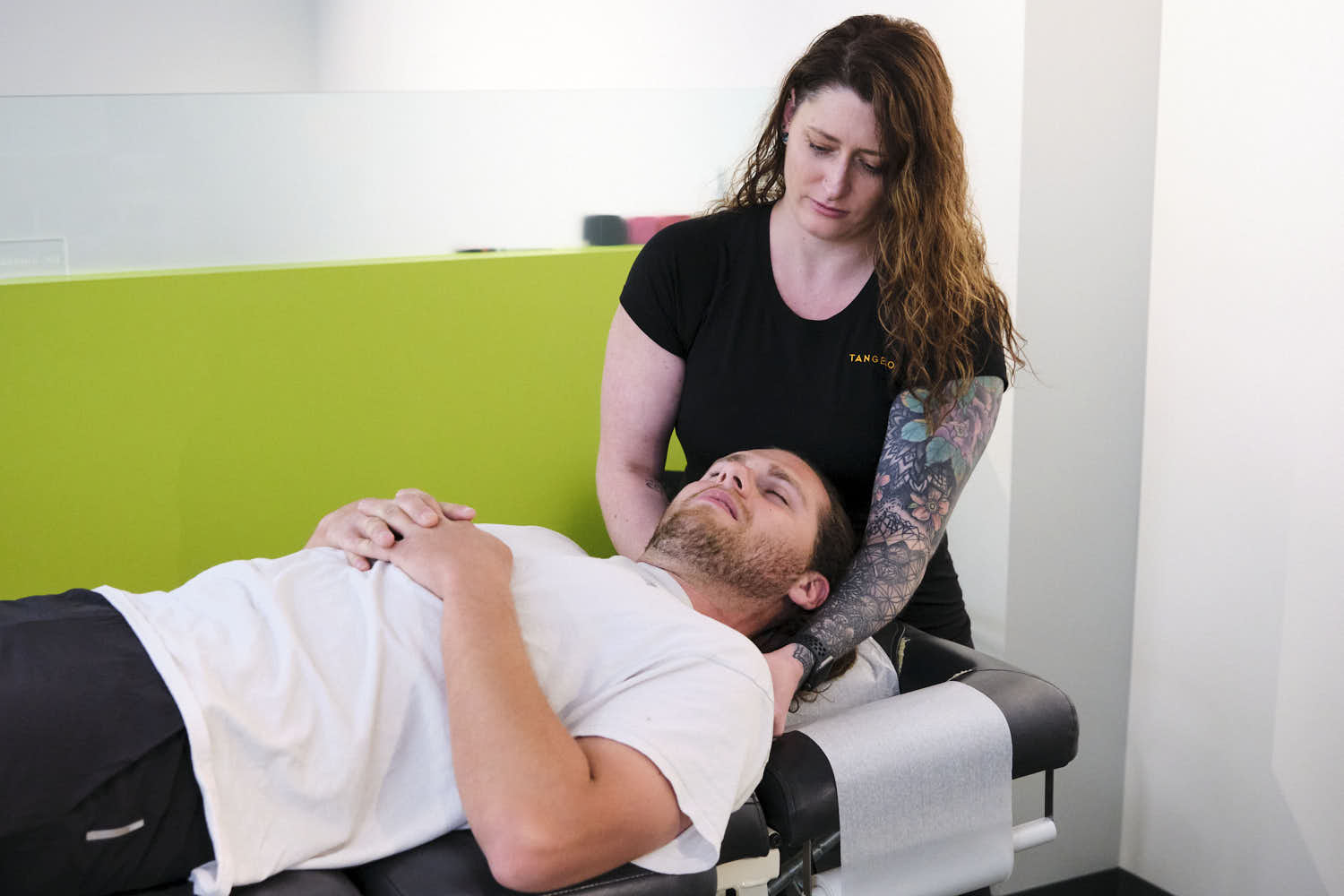
Gentle cervical spine adjustment and targeted spinal manipulation may help reduce neck pain and stiffness, making it easier to find a comfortable position and helping you sleep through the night. When we address spinal mechanics and muscular imbalances together, many patients notice less back pain, less sleep aggravation, and fewer nighttime flare-ups.
2. Reducing muscle tension and promoting relaxation
Manual therapy techniques—such as soft-tissue work, joint mobilization, and stretching—may help reduce muscle tension, allowing your body to shift more easily into a restful state. Other hands-on therapies have been associated with decreases in pain-related activity interference and improvements in quality of life, suggesting that calming the body’s pain response can positively influence daily function and rest.(3)
3. Supporting nervous system balance
The way your spine moves can influence how your nervous system processes stress and discomfort. When joints move more freely, and surrounding muscles are less guarded, your body may find it easier to downshift out of “fight or flight,” which is important for better sleep quality and for minimizing sleep disturbances.
4. Encouraging helpful lifestyle and sleep habits
Education and coaching around movement, stress, and sleep can play a meaningful role in managing chronic pain and improving quality of life.(1) At our clinic, we integrate therapeutic education with exercise and manual care to help you understand how training load, work habits, and evening routines may be affecting your sleep.
Our Approach at Tangelo Health: Beyond the Adjustment
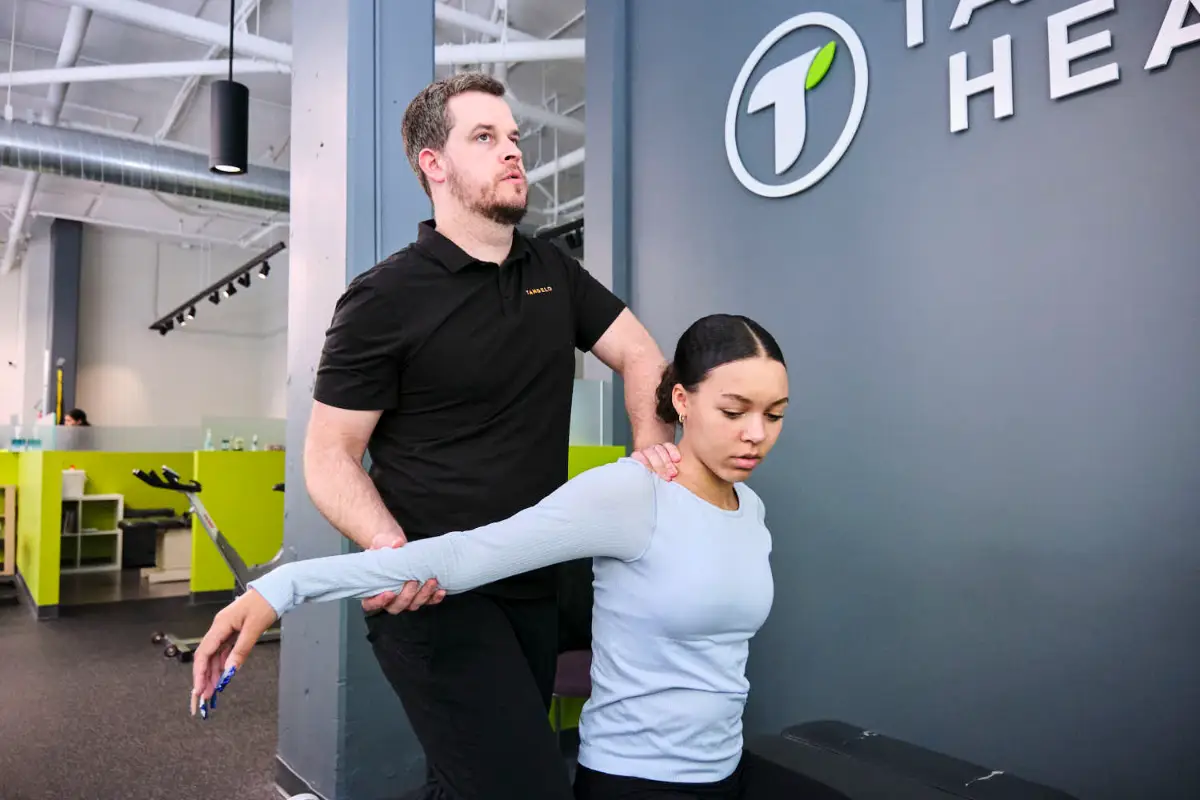
We do much more than quick, one-off adjustments. Our team combines chiropractic care with individualized rehabilitation and soft-tissue work to address factors that may be disrupting your sleep.
- Chiropractic adjustments to improve joint motion, spinal alignment, and movement mechanics
- Active Release Techniques and other hands-on care to address tight, overworked muscles and adhesions
- The Graston Technique and myofascial work help with stubborn soft tissue restrictions that can contribute to nighttime soreness
- Spinal Decompression Therapy for certain types of low back and leg pain that feel worse with prolonged positions
- Functional rehabilitation therapy and postural correction exercises to build strength and resilience, so your body tolerates sleep positions better
When appropriate, we may also integrate cupping therapy or laser therapy to further calm irritated tissues and support recovery between workouts or long workdays.
Improving Sleep Posture and Night-Time Comfort
For many of our patients, small changes in sleep posture combined with targeted treatment can make a noticeable difference. During your visit, we may:
- Evaluate how your spine, shoulders, hips, and knees move in common sleep positions
- Suggest simple adjustments to pillows or side-lying positions to support spinal alignment
- Prescribe specific back pain relief exercises and mobility drills that make it easier to lie comfortably
- Teach gentle pre-bed routines to help you unwind and reduce muscle guarding
If you are dealing with recurring neck pain, low back pain, or nighttime headaches, we tailor your plan to address those specific patterns so you can naturally work toward better sleep.
Who May Benefit from a Sleep-Focused Chiropractic Approach?
At Tangelo Health, we commonly see:
- Active adults and athletes whose training leaves them sore and restless at night
- Busy professionals with posture-related discomfort from long hours at a desk
- People recovering from auto injuries or whiplash whose pain symptoms disturb sleep
- Patients with ongoing joint or tendon issues—such as hip pain, knee pain, or tendonitis—that make it hard to stay in one position
Our goal is always to help you move better, feel better, and support the restful sleep your body needs to perform at its best.
FAQs: Chiropractic Care and Sleep Quality
Can chiropractic adjustments really help with my sleep?
Chiropractic adjustments themselves are not a sleep treatment, but by addressing pain, stiffness, and movement limitations, they may help reduce some of the barriers that keep you awake—such as neck pain, sleep discomfort, back pain, sleep flare-ups, and muscle tension. When we pair adjustments with manual therapy, rehab exercises, and practical sleep posture improvement tips, many patients report fewer nighttime awakenings and more comfortable sleep.
Is it safe to get adjusted if I already have trouble sleeping?
For most people, chiropractic adjustments are considered a safe, non-drug approach to managing musculoskeletal pain and mobility issues. We always start with a thorough assessment and review of your health history. From there, we choose techniques—ranging from gentle cervical spine adjustment to low-force mobilization—based on your comfort level and goals. If anything is not appropriate for you, we modify the plan.
Will I need exercises as well as adjustments?
In our experience, the combination of postural correction exercises, functional rehabilitation, and manual care often provides better long-term results than any one approach alone. Education and exercise together appear to support improved function and quality of life in people with chronic musculoskeletal pain.(1) This same combination can be very helpful when your goal is both pain relief and better sleep duration.
How soon might I notice changes in my sleep?
Everyone responds differently. Some patients feel more relaxed and sleep better after just a few sessions, especially when muscle tension reduction is a key issue. For long-standing problems like chronic low back pain, sports injuries, or postural strain, it may take a longer series of visits and consistent home exercises to notice steady improvements in comfort and sleep quality.
What if my main issue is stress and fatigue, not pain?
Manual therapies used alongside usual care have been associated with improvements in fatigue, anxiety, and sleep in certain chronic conditions.(2) While our primary focus is on your musculoskeletal health, many patients find that moving more freely and having less daily discomfort makes it easier to wind down at night and feel more refreshed in the morning.
Ready To Start A New Sleep Routine?
If persistent pain, stiffness, or movement limitations are standing between you and restorative rest, our team at Tangelo Health would be glad to assess what is going on and build a plan tailored to your body, goals, and lifestyle. Book an Appointment to explore how a movement-based, chiropractic, and rehabilitation approach can help improve sleep quality.
References
- Vanti C, et al. Therapeutic Patient Education in Adults with Chronic Lower Limb Musculoskeletal Pain: A Scoping Review. Healthcare (Basel). 2026. doi:10.3390/healthcare14030290
- Fang S, et al. Tuina therapy for patients with chronic fatigue syndrome: a randomized controlled trial. J Transl Med. 2026. doi:10.1186/s12967-025-07624-7
- Chen PY, et al. Effectiveness of Bowen Therapy for Fibromyalgia: A Randomized Controlled Trial. Int J Ther Massage Bodywork. 2025. doi:10.3822/ijtmb.v18i4.1149