
Sciatica nerve pain can be frustrating at any time of day, but many of our patients at Tangelo Health tell us it feels noticeably worse at night. When you finally slow down and lie still, the burning, shooting, or aching pain down the leg can suddenly become the only thing you notice. If this sounds familiar, you are not alone, and there are practical steps that may help you find nighttime sciatica relief.
What Is Sciatica and Why Does It Flare at Night?
Sciatica refers to irritation or compression of the sciatic nerve or its roots, often due to issues in the lower back, such as spinal disc herniation, joint irritation, or muscle tension. This can create lower back nerve pain that travels into the hip, glutes, and down the leg, sometimes into the foot. Many people also describe numbness, tingling, or weakness as part of their sciatica-related leg pain.
Nighttime often makes sciatica pain feel worse for several reasons:
- Less distraction: When you are no longer focused on work, workouts, or family, pain naturally becomes more noticeable.
- Sleep positions: Certain positions can increase posture-related nerve pressure and strain on irritated tissues.
- Stiffness from inactivity: After a full day, muscles and joints may tighten, increasing pull on the lower back and pelvis.
- Inflammation cycles: Lower back inflammation can fluctuate throughout the day and may feel more intense once you lie down.
At our Seattle clinic, we see these patterns often in active adults, athletes, and busy professionals who spend long hours sitting, commuting, or training. Understanding what drives sciatica pain at night is the first step toward creating a targeted sciatica pain management plan.
Common Sciatic Nerve Causes Behind Night Pain
There is no single cause of nighttime sciatica, but several issues tend to show up repeatedly in people with lower back and leg pain:
- Lumbar nerve compression: Irritation of the nerve roots in the lower spine—sometimes from disc bulges, joint changes, or instability—can cause chronic nerve pain that worsens when lying in certain positions.
- Spinal disc herniation: Changes in disc pressure when you move from standing or sitting to lying down may increase nerve root irritation and leg pain.
- Piriformis muscle syndrome: Tightness in the piriformis muscle (deep in the glutes) can irritate the sciatic nerve as it passes through the hip area, especially with side-lying or cross-legged positions.
- Lumbar instability: When the stabilizing muscles around the spine are not functioning properly, segments of the spine may move excessively, contributing to lower back pain, nerve root irritation, and reduced quality of life. (3)
- Structural variations: Some people have natural differences in how the lowest lumbar vertebrae and the sacrum meet (the lumbosacral transitional vertebra). When irritated, this region can contribute to low back pain and altered mechanics in the pelvis and hips. (2)
These causes of sciatica pain often overlap, so we focus on understanding the full picture rather than chasing a single structure.
How Your Sleep Position Can Affect Sciatica Pain at Night
For many people, simply changing sleep position can noticeably alleviate leg discomfort and back pain. Certain positions can increase tension on the sciatic nerve pathways, while others may relieve sciatica pain by placing the spine and hips in a more neutral alignment.
Options that may help improve sleep positions for sciatica pain include:
- Sleeping on your side with a pillow between your knees to reduce twisting in the lower back.
- Sleeping on your back with a pillow under your knees to ease pull on the lumbar spine.
- Avoiding long periods of stomach sleeping, which may increase lower back extension and nerve root irritation.
During your visit, we often review your current sciatica sleep positions and help you find small adjustments that can make a big difference overnight.
Active Approaches That May Help Nighttime Sciatica
At Tangelo Health, we focus on active, movement-based care to help you reduce pain, improve function, and get back to the activities you enjoy. For many people with sciatica, combining hands-on care with targeted exercises may support better sleep and long-term outcomes.
1. Functional Rehabilitation and Stabilization
Targeted strengthening and control exercises for the core, hips, and legs can help improve spinal stability and reduce strain on irritated structures. Individualized, progressive stabilization programs have been shown to reduce pain, improve function, and enhance muscle activation in people with lumbar instability. (3) At our clinic, we use functional rehabilitation therapy to help retrain movement patterns that may be contributing to lower back pain or sciatica nerve pain.
2. Manual Therapy and Soft-Tissue Techniques
Hands-on care may help ease muscle tension, improve mobility, and decrease pressure around irritated nerves. Depending on your needs, we may use:
- Chiropractic adjustments to gently improve joint motion in the spine and pelvis.
- Active Release Techniques to address tight or overworked muscles along the sciatic nerve pathways.
- The Graston Technique or cupping therapy to help reduce soft-tissue restrictions and improve circulation.
For some patients with structural variations such as lumbosacral transitional vertebra, lumbosacral manipulation, mobilization, and therapeutic exercises have shown promise in reducing pain and improving function. (2)
3. Gentle Stretching and Mobility Before Bed
Short, targeted stretching therapy techniques before bed may help calm tight hip and lower back muscles and reduce tension around the sciatic nerve. For many people, a simple routine focusing on hamstrings, hip flexors, glutes, and the piriformis muscle can support nighttime sciatica relief and make it easier to fall asleep comfortably.

Practical Sciatica Relief Tips for Better Sleep
Here are some sciatica relief tips we commonly share with our patients to help manage sciatica pain at night:
- Create a pre-sleep movement routine: Spend 5–10 minutes on light mobility or exercises for sciatica that your provider has cleared for you.
- Adjust your sleep setup: Experiment with pillow placement and mattress firmness to find positions that reduce lower back inflammation and nerve tension.
- Avoid long periods of sitting before bed: Getting up every 30–45 minutes in the evening may help reduce stiffness that amplifies sciatica pain at night.
- Use heat or cold as guided: Some people feel better with gentle heat for muscle relaxation; others prefer short bouts of cold to reduce irritation.
- Stay consistent with your plan: Regular, progressive exercise and movement-based care tend to support better long-term results than occasional “flare-up only” care.(2)
When to Seek Help for Nighttime Sciatica
While occasional discomfort is common, it is a good idea to reach out for help if you notice:
- Sciatica pain that regularly wakes you up or keeps you from falling asleep.
- Worsening weakness, numbness, or coordination changes in one or both legs.
- Difficulty performing daily tasks, training, or work activities because of lower back or leg pain.
Our team at Tangelo Health works closely with active adults, athletes, and busy professionals to address low back pain, sciatica, and related leg pain. We take the time to understand your goals—whether that is running, lifting, parenting, or simply sleeping through the night—and build a plan to help you get there.
FAQ: Sciatica Pain at Night
Why does my sciatica hurt more when I lie down?
Lying down can change how your spine and hips load, potentially increasing pressure on sensitive nerve roots or tightening certain muscles. With fewer distractions, your brain may also become more aware of lower back nerve pain and sciatica-related leg pain. Adjusting your sciatica sleep positions and addressing underlying mobility and stability issues may help.
Can stretching before bed relieve sciatica pain?
Gentle, well-chosen stretching therapy techniques may help ease muscle tension and improve comfort before sleep, especially around the hips and piriformis muscle. We usually pair stretching with strengthening and movement training, since individualized, progressive exercise programs have been linked with reduced pain and better function in people with lumbar instability and low back pain.(2)
Is it safe to exercise if I have nighttime sciatica?
For many people, the right kind of movement and exercise is an important part of sciatica pain prevention and long-term management. Lumbar stabilization and functional exercises have been shown to help reduce pain and improve quality of life in those with unstable lower backs. We guide you on which activities to start with, which to modify, and how to progress safely.
What treatments do you offer for sciatica at Tangelo Health?
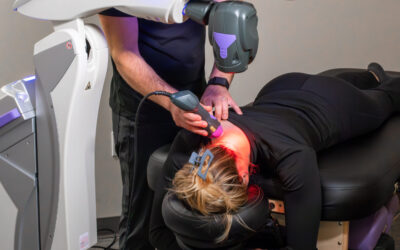
We combine a range of services—including chiropractic adjustments, manual therapy, functional rehabilitation therapy, Active Release Techniques, spinal decompression therapy, and MLS laser therapy—to create individualized plans aimed at reducing sciatica nerve pain, improving movement, and supporting better sleep.
Can addressing daytime posture help my nighttime pain?
Yes, improving posture-related nerve pressure during your workday, workouts, and daily activities can help reduce the overall irritation of the lower back and sciatic nerve. When the spine and hips move better and are better supported by strong, coordinated muscles, many people notice less sciatica pain at night as well.
Contact Tangelo Health to See How We Can Help with Sciatica
If nighttime sciatica is disrupting your sleep and daily life, our team would be glad to assess what is driving your symptoms and build a plan tailored to your body and your goals. You can take the next step toward more comfortable nights by booking an appointment.
References
- Penchev P, et al. Efficacy of Neuromodulation in Postoperative Acute and Chronic Low Back Pain after Lumbar Spine Surgery: A Systematic Review and Meta-Analysis of Randomized Controlled Trials with Trial Sequential Analysis and Meta-Regression. J Clin Neurosci. 2026. doi:10.1016/j.jocn.2025.111815
- Guilherme MDSA, et al. Effects of musculoskeletal rehabilitation in patients with lumbosacral transitional vertebra: A systematic review. J Bodyw Mov Ther. 2025. doi:10.1016/j.jbmt.2025.06.038
- Jain K, et al. Evidence Based Physiotherapy Intervention on Lumbar Instability: A Systematic Review. Musculoskeletal Care. 2025. doi:10.1002/msc.70132