
At Tangelo Health in Seattle, we work with active adults, athletes, and busy professionals who want natural, non-surgical pain management options that help them keep moving. One of the questions we hear often is: “Does spinal decompression really work, and is it right for me?” This guide explains how spinal decompression may help, who may be a good candidate, and what to expect at our spinal decompression clinic in Seattle.
What Is Spinal Decompression Therapy?
Spinal decompression therapy is a non-surgical treatment that gently applies traction to the spine to temporarily reduce pressure on the discs and joints. At our clinic, we use spinal decompression care as part of broader spine decompression treatment plans that can also include chiropractic adjustments, manual therapy, laser therapy, and functional rehabilitation exercises.
Many people seek a chiropractor for spinal decompression when they are dealing with:
- Low back pain from a herniated or bulging disc
- Sciatica or leg pain related to nerve irritation
- Neck pain or headaches associated with disc or joint issues
- Spinal stenosis-related discomfort
At Tangelo Health, we focus on non-surgical spinal decompression as a conservative option for patients who want to avoid or delay surgery when appropriate.
How Does Spinal Decompression Compare to Surgical Decompression?
Surgical decompression procedures, such as full-endoscopic or microscopic spinal decompression, are used in hospitals to relieve pressure from lumbar disc herniation and spinal stenosis. (1,2) These surgeries can reduce pain and improve function, but they are invasive and require anesthesia, recovery time, and post-surgical rehabilitation. (1,2)
Spinal decompression therapy at a chiropractic clinic, like Tangelo Health, is different. It is non-surgical and non-invasive. While surgery may be appropriate for some severe or progressive cases, many people with back or neck pain are looking for conservative options first. That is where a spinal decompression chiropractor may help as part of a comprehensive treatment plan for spinal recovery.
Who Might Benefit from Non-Surgical Spinal Decompression?
Our spinal decompression specialists in Seattle often work with patients who have:
- Low back pain related to disc or joint issues
- Disc-related sciatica or nerve irritation
- Chronic or recurring neck pain, sometimes linked with headaches
- Symptoms consistent with spinal stenosis, such as leg pain or heaviness with walking
At Tangelo Health, we perform a detailed patient evaluation to determine whether non-surgical spinal decompression is appropriate.
What to Expect from the Chiropractic Decompression Process
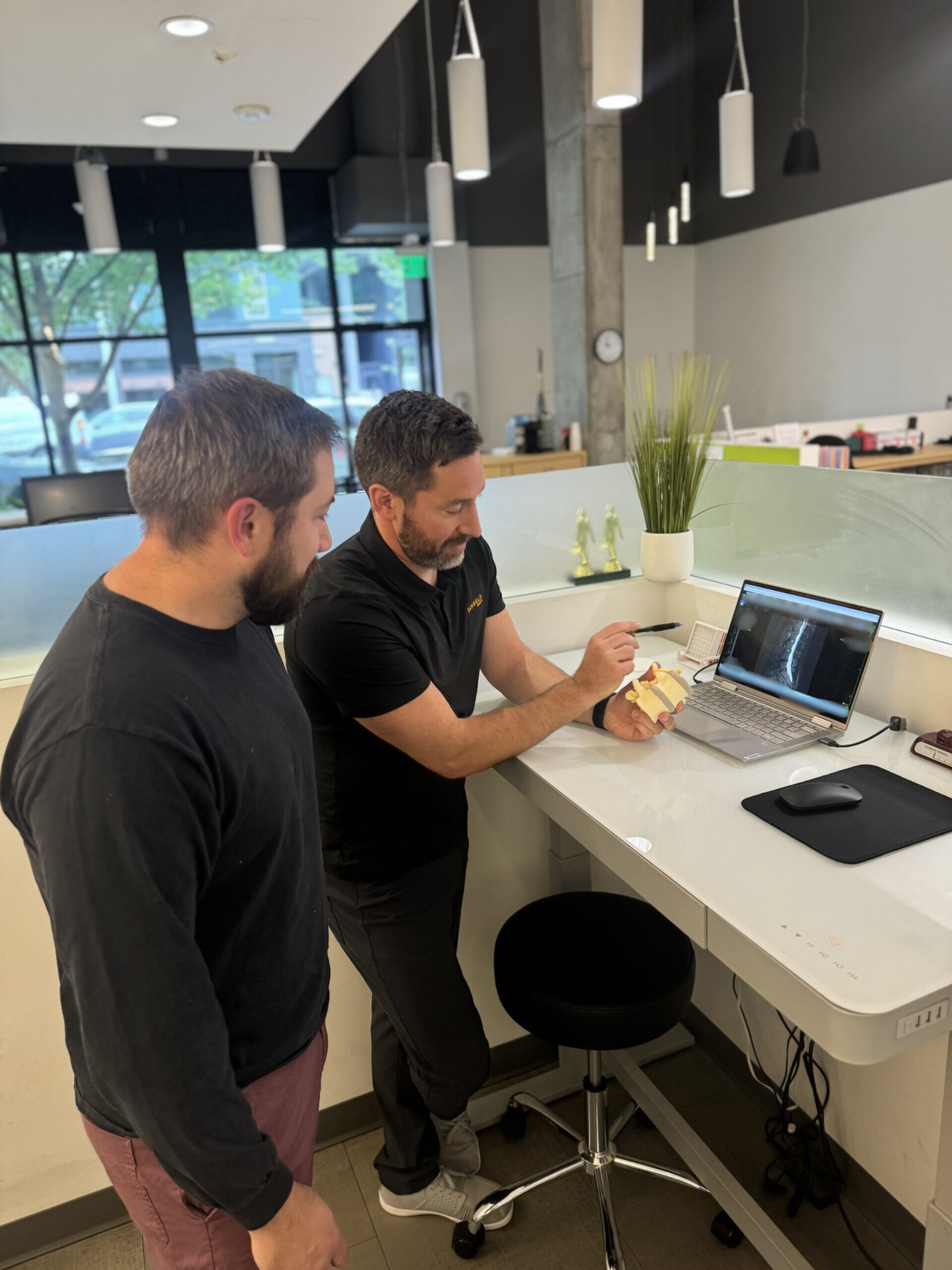
When you visit our Seattle spinal decompression clinic, we begin with a thorough assessment that may include posture analysis, orthopedic testing, and, when available, imaging review. From there, we build a personalized treatment plan for spinal recovery that may include:
- Spinal decompression therapy for targeted spinal disc pressure relief
- Chiropractic adjustments to support spine alignment and joint motion
- Manual therapy approaches, including Active Release Techniques, Graston Technique, and cupping therapy
- Functional rehabilitation and customized exercises for mobility improvement and long-term stability
- MLS laser therapy as a supportive modality for certain patients
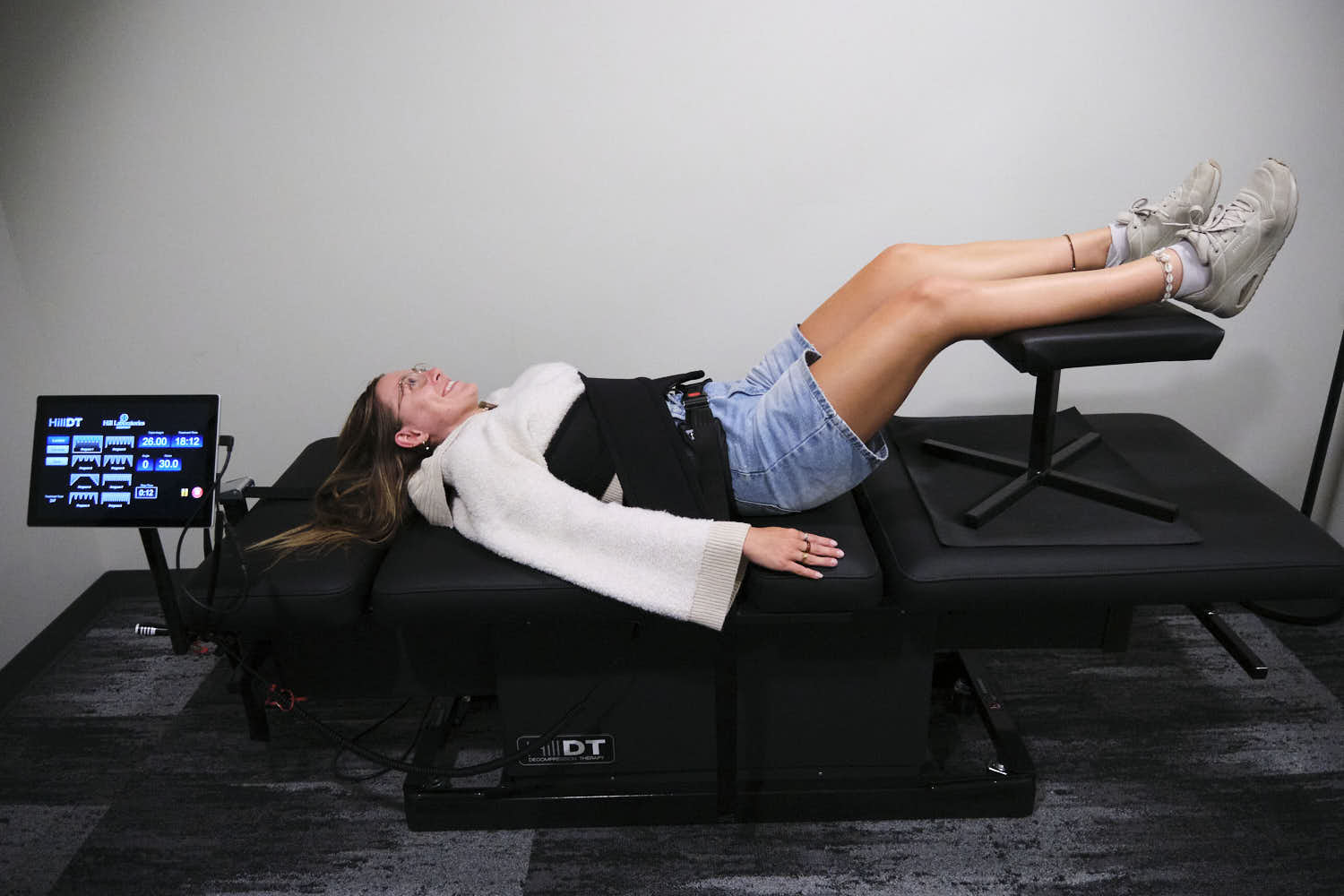
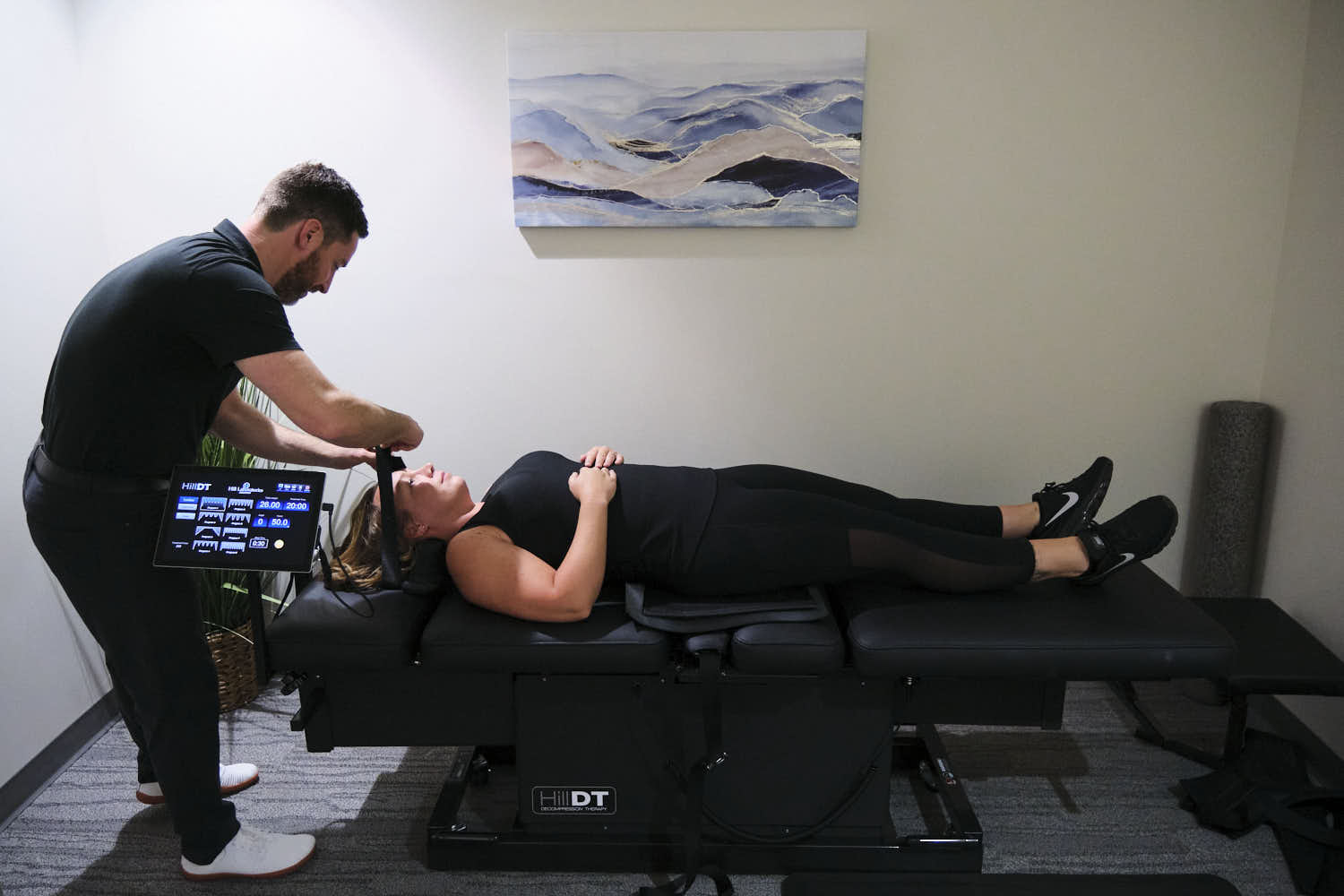
Sessions on the decompression table are typically comfortable. You are positioned and secured, and the computer-controlled traction cycles through gentle pulling and relaxing phases. Many patients describe the experience as a mild, relieving stretch.
Can Spinal Decompression Help Specific Conditions?
Patients frequently look for a herniated disc chiropractor or slipped disc chiropractor when pain begins limiting daily life or activities. Non-surgical spinal decompression may reduce mechanical stress on discs and nerves, which can contribute to symptom relief for some people with disc-related back or neck pain. In our clinic, we aim to support patients with spinal stenosis symptoms using non-surgical approaches—such as spinal decompression therapy, specific exercise, and manual therapy—when appropriate.
We also see patients navigating recovery after auto injuries or whiplash. For some of these individuals, spinal decompression care may be considered alongside chiropractic adjustments, soft-tissue work, and rehabilitation to address lingering back or neck pain. If you are wondering, “Can spinal decompression help after a car accident?”, we will evaluate your specific case before making any recommendations.
Is Spinal Decompression Safe, and Are There Side Effects?
Non-surgical spinal decompression therapy is generally well-tolerated when properly screened and supervised. Still, some patients may experience temporary soreness or fatigue after sessions, similar to how the body can feel after a new exercise routine. We always discuss possible side effects of spinal decompression therapy before treatment so you can make an informed decision.
How Spinal Decompression Fits into a Bigger Rehab Plan
At Tangelo Health, spinal decompression is not a stand-alone solution. We combine it with:
- Chiropractic adjustment and spine alignment work
- Manual therapy to address muscle and fascia tension
- Laser therapy to help support healing, reduce inflammation, and encourage increased mobility
- Rehabilitation therapy and performance-based exercise to restore strength and control
- Education on posture, movement strategy, and activity modification
This integrated approach is especially important for active adults, runners, lifters, and athletes who not only want pain relief but also want to return to sport and stay there.
FAQs: Spinal Decompression Therapy in Seattle
Is spinal decompression covered by insurance?
Coverage varies by plan and carrier. Some insurance plans may cover portions of a visit that include spinal decompression as part of broader chiropractic or rehabilitation services, while others may consider it a non-covered service. Our front desk team can help you verify your specific benefits.
How much does spinal decompression cost in Seattle?
Costs depend on the length of the session, the number of recommended visits, and whether it is combined with other services such as chiropractic care or rehab exercises. We review fees and options with you before starting a program so there are no surprises.
Should I exercise after spinal decompression?
In many cases, gentle, targeted exercises are an important part of your treatment plan for spinal recovery. We typically prescribe specific movements—such as core stability, hip strength, and mobility drills—to support the changes made during back decompression treatment. The exact timing and intensity depend on your evaluation.
Can a cervical decompression chiropractor help with neck pain and headaches?
For some patients with neck pain or certain types of headaches related to cervical joints or discs, cervical spine decompression treatment may be one piece of a broader care plan that can also include manual therapy, exercise, and ergonomic coaching. We always screen carefully to determine whether this approach is appropriate for you.
Are there people who should not do spinal decompression?
Yes. Certain conditions, such as severe instability, specific fractures, some post-surgical states, or particular medical issues, may make spinal decompression inappropriate. This is why a thorough patient evaluation with a qualified provider is essential before beginning care.
Is spinal decompression a cure for disc problems?
Spinal decompression is not a guaranteed cure, but it may help reduce symptoms and improve function for some people with disc-related complaints when combined with a comprehensive program that includes strengthening, mobility work, and smart activity progression.
Ready to Find Out if Spinal Decompression Is Right for You?
If you are dealing with low back pain, sciatica, neck pain, or are curious whether a non-surgical spinal decompression chiropractor could be a fit for your situation, we are here to help.
At Tangelo Health in Seattle, we combine spinal decompression therapy, chiropractic care, manual therapy, laser therapy, and functional rehabilitation to create individualized plans that aim to help you move better, feel better, and get back to the activities you love.
Book an Appointment to schedule your evaluation and learn whether spinal decompression care may be appropriate for your goals.
References
- Luo M, et al. Full-endoscopic versus microscopic spinal decompression for lumbar disc herniation: a meta-analysis of 20 cohort studies. J Orthop. 2026. doi:10.1016/j.jor.2025.10.011
- Yao F, et al. [Research progress of minimally invasive decompression techniques for the treatment of lumbar spinal stenosis]. Zhongguo Gu Shang. 2025. doi:10.12200/j.issn.1003-0034.20240715