
Seattle workers face a wide range of physical demands. Whether it is heavy lifting, extended desk work, repetitive motions, or prolonged standing, these day-to-day stresses can take a toll on the spine and lead to back pain or disc-related issues. Herniated discs, bulging discs, sciatica, and chronic low-back pain often sneak up slowly, becoming major barriers to comfort, productivity, and long-term mobility. The good news is that many Seattle residents are finding relief through disc decompression therapy, a non-invasive treatment that helps reduce pressure on irritated discs and spinal nerves.
At Tangelo Health’s Green Lake and West Seattle clinics, disc decompression therapy (or spinal decompression therapy) is used as part of an integrated spine care model that helps people recover from disc injuries without relying on medication or surgery. Below, we break down why disc decompression therapy is becoming one of the most effective solutions for Seattle’s labor force and how research supports its growing use for herniated discs, radiculopathy, and chronic back pain.
What Is Disc Decompression Therapy?
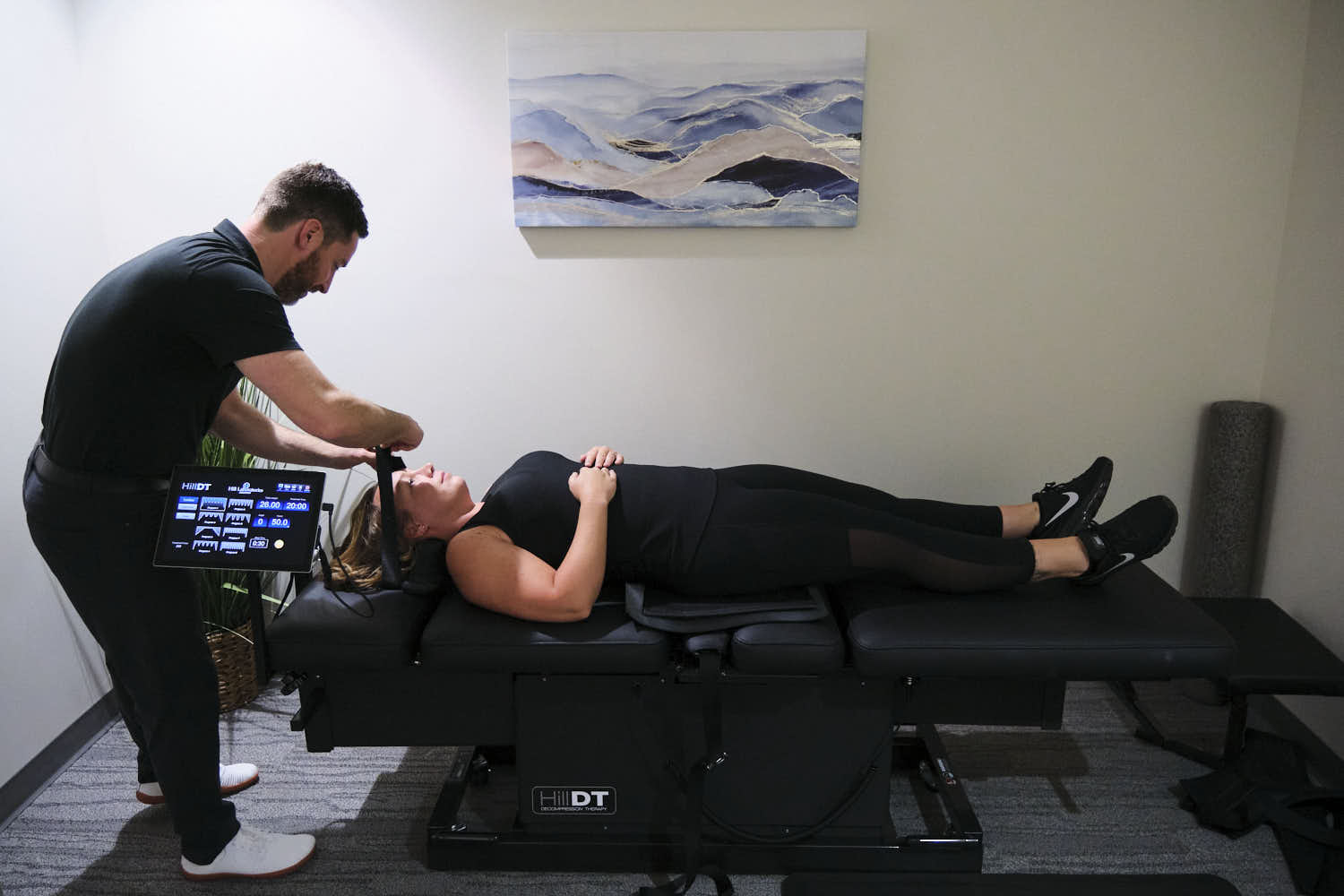
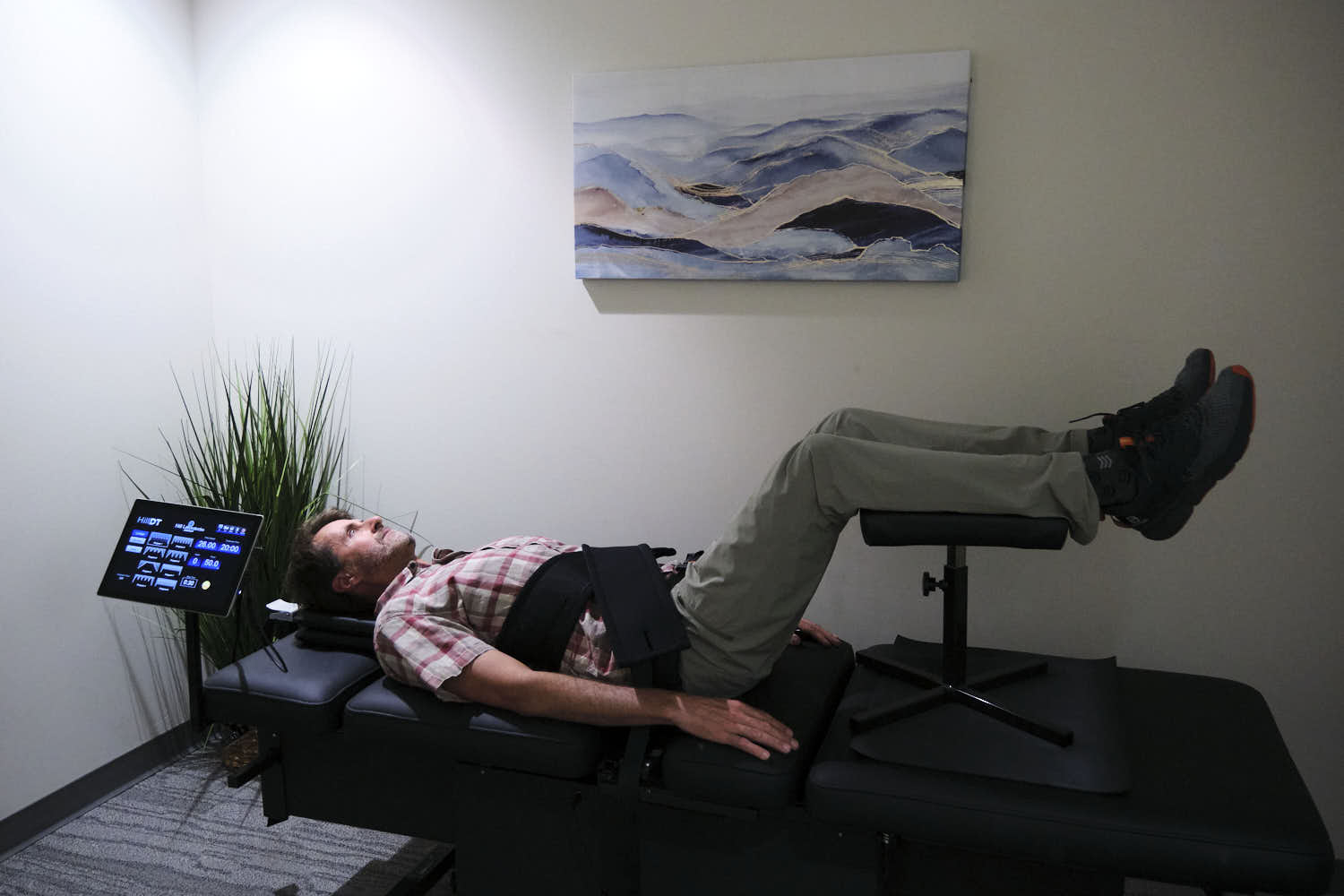
Disc decompression therapy, also known as spinal decompression therapy, is a non-surgical treatment that gently stretches the spine using a specialized decompression table. This controlled movement helps reduce pressure inside the intervertebral discs, allowing bulging or herniated disc material to retract and relieving pressure on the spinal nerves. This negative pressure also encourages the return of water, oxygen, and nutrients to the discs, promoting natural healing and disc recovery (WebMD, 2023).
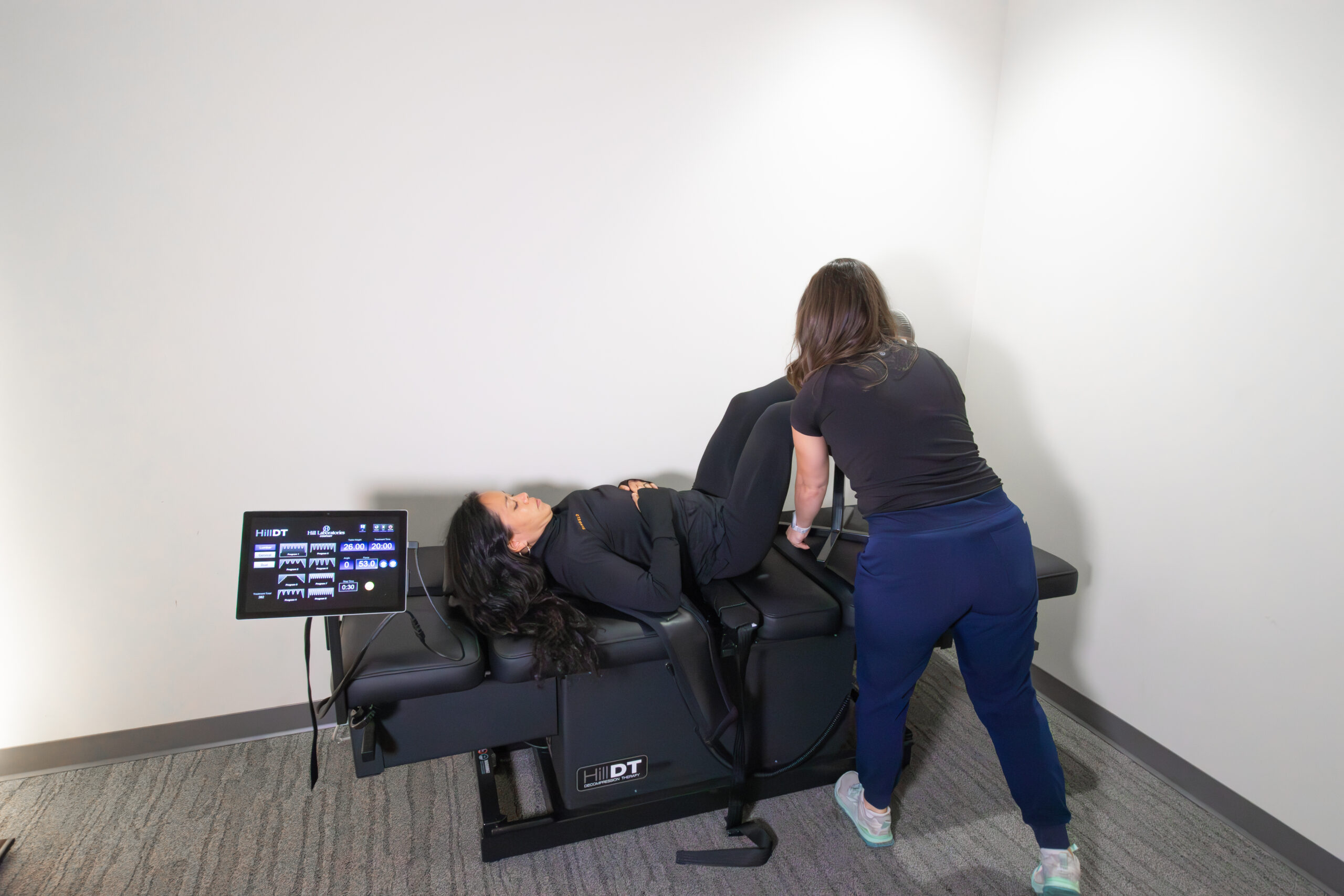
Tangelo Health uses a precise, computer-guided system that adjusts the angle and level of traction based on the patient’s unique spine condition. This allows targeted treatment of the lumbar or cervical spine, or of specific areas impacted by disc compression.
Many Seattle workers choose disc decompression because it is:
- Non-invasive
- Comfortable and safe
- Drug-free
- Effective for a wide range of disc-related conditions
- Supported by imaging-based clinical research
It is commonly used for herniated discs, bulging discs, sciatica, radiculopathy, and chronic back and neck pain.
How Disc Decompression Helps Seattle Workers Recover Faster
Seattle’s labor force is constantly exposed to movements and postures that increase disc pressure. Sitting for long hours compresses the lumbar spine. Repetitive lifting strains the discs. Poor posture during work tasks contributes to chronic back tension. Disc decompression therapy creates space in the spine, allowing irritated tissues to calm and promoting healthy disc mechanics.
1. Reduces Pressure on Spinal Nerves
When a disc herniates or bulges, the inner disc material pushes outward and compresses nearby spinal nerves. This can cause numbness, tingling, or shooting pain down the leg or arm. By lowering disc pressure, decompression helps retract displaced disc material, easing nerve compression and reducing symptoms like sciatic nerve pain, pinched nerve sensations, tingling or numbness, and radiating arm or leg pain.
2. Promotes Disc Healing and Nutrient Flow
Healthy discs rely on movement and pressure changes to bring in nutrients. Decompression creates space within the discs, promoting the flow of hydrating fluids that support disc recovery.
3. Improves Functional Mobility
Seattle’s labor force depends on full-body movement. Disc decompression helps restore mobility in the lumbar and cervical spines, improving range of motion and allowing workers to safely return to lifting, bending, and job-specific movements.
4. Complements Active Rehabilitation
At Tangelo Health, decompression is integrated with chiropractic care, functional rehabilitation, posture training, and corrective exercise. This creates a full-spectrum recovery plan that not only reduces pain but also strengthens the spine to prevent future injury.
How Laser Therapy Supports Decompression Results
Laser therapy is another treatment commonly recommended alongside disc decompression at Tangelo Health. This gentle, non-invasive therapy uses targeted light to support circulation and calm irritated tissues. Many patients find that pairing laser therapy with decompression helps reduce stiffness and tension around the affected area, making it easier to move comfortably between sessions. Laser therapy is often covered under Personal Injury Protection (PIP) insurance claims, which makes it an accessible option for patients recovering from disc injuries or auto-related conditions. At Tangelo, practitioners may include laser therapy when it aligns with your recovery goals and treatment plan.
What Research Says About Disc Decompression Therapy
Disc decompression therapy is supported by clinical research showing measurable improvements not only in symptoms but also in disc structure. A 2022 randomized controlled trial found that patients with subacute lumbar disc herniations who received nonsurgical spinal decompression therapy (NSDT) experienced significantly less leg pain than those who received placebo treatment. MRI imaging revealed that the decompression group saw an average 28 percent reduction in disc herniation size, compared to about 7 percent in the control group.
Notably, more than a quarter of patients in the decompression group achieved a 50% or greater reduction in herniation size, while none in the control group reached that level of improvement. These findings suggest that disc decompression therapy may not only relieve symptoms but also help address the underlying mechanical disc problem (Choi et al., 2022).
Additionally, WebMD outlines that decompression works by creating negative pressure inside the discs, allowing bulging or herniated material to retract and reducing nerve irritation (WebMD, 2023). This aligns with what patients experience at Tangelo: reduced nerve symptoms, improved mobility, and a return to normal activity after consistent sessions.
Why Seattle’s Labor Force Benefits from Disc Decompression Therapy
Disc injuries are common in occupations that require repetitive lifting, awkward postures, long periods of sitting, or high physical demand. Disc decompression offers several advantages that directly support workers in healing and remaining active.
1. Helps Avoid Surgery
Many Seattle residents use disc decompression to avoid surgical interventions. For lumbar spine and cervical spine issues, research suggests that a significant portion of disc injuries recover with conservative care, especially when decompression is included.
2. Supports Faster Return to Work
Improved function makes it easier to return to work safely. Workers often see improvements in:
- Range of motion
- Nerve-related symptoms
- Low-back tension
- Overall comfort during job tasks
3. Reduces Reliance On Medication
Disc decompression offers natural relief, reducing dependence on pain medication or anti-inflammatories.
4. Addresses Work-Related Mechanics
When paired with functional rehabilitation through Tangelo, decompression therapy helps:
- Improve posture during desk work
- Restore hip and core strength
- Reduce repetitive strain
- Support long-term spinal health
5. Ideal For Active Occupations
Workers in healthcare, tech, trades, service industries, and transportation frequently seek decompression therapy at Tangelo locations in Green Lake and West Seattle.
Who Is a Good Candidate for Disc Decompression Therapy?
Disc decompression may be helpful if you are experiencing:
- Herniated disc
- Bulging disc
- Sciatica
- Chronic low-back pain
- Cervical disc issues
- Radiculopathy
- Pain worsened by sitting
Tangelo begins with a personalized spine evaluation that includes history, orthopedic testing, and, when available, imaging review.
FAQs About Disc Decompression Therapy
How does Tangelo Health’s disc decompression therapy relieve disc pressure?
Tangelo uses a motorized decompression table that creates negative pressure inside affected discs, allowing the herniation to retract and reducing pressure on spinal nerves.
How long does herniated disc recovery take at Tangelo Health?
Many patients start noticing improvements within two to four weeks, although full recovery depends on the severity and the consistency of care.
What should I expect during my first session?
You will lie comfortably on a computer-controlled decompression table for 15 to 25 minutes while the spine is gently stretched.
Does Tangelo offer personalized rehabilitation programs?
Yes. Tangelo combines disc decompression with rehabilitation, chiropractic care, and corrective exercises to support long-lasting recovery.
Conclusion: Disc Decompression Therapy Helps Seattle Stay Moving
Disc decompression therapy is an effective, research-backed method for treating herniated discs, bulging discs, sciatica, and chronic spine-related pain. For Seattle’s active labor force, it offers a safe, comfortable, non-surgical pathway back to mobility, strength, and long-term spinal health.
With locations in Green Lake and West Seattle, Tangelo Health provides integrated spine care that helps people return to work and daily life feeling stronger and more confident.
References
- Choi, E., Gil, H. Y., Ju, J., Han, W. K., Nahm, F. S., & Lee, P. B. (2022). Effect of nonsurgical spinal decompression on intensity of pain and herniated disc volume in subacute lumbar herniated disc. International Journal of Clinical Practice, 2022. https://pmc.ncbi.nlm.nih.gov/articles/PMC9553669/
- WebMD. (2023). Spinal Decompression Therapy: Surgical and Nonsurgical. https://www.webmd.com/back-pain/spinal-decompression-therapy-surgical-nonsurgical