At Tangelo Health, many of our patients are curious about what cupping therapy actually is, how it works, and whether it may support recovery from pain, tightness, or injury.
What Is Cupping Therapy?
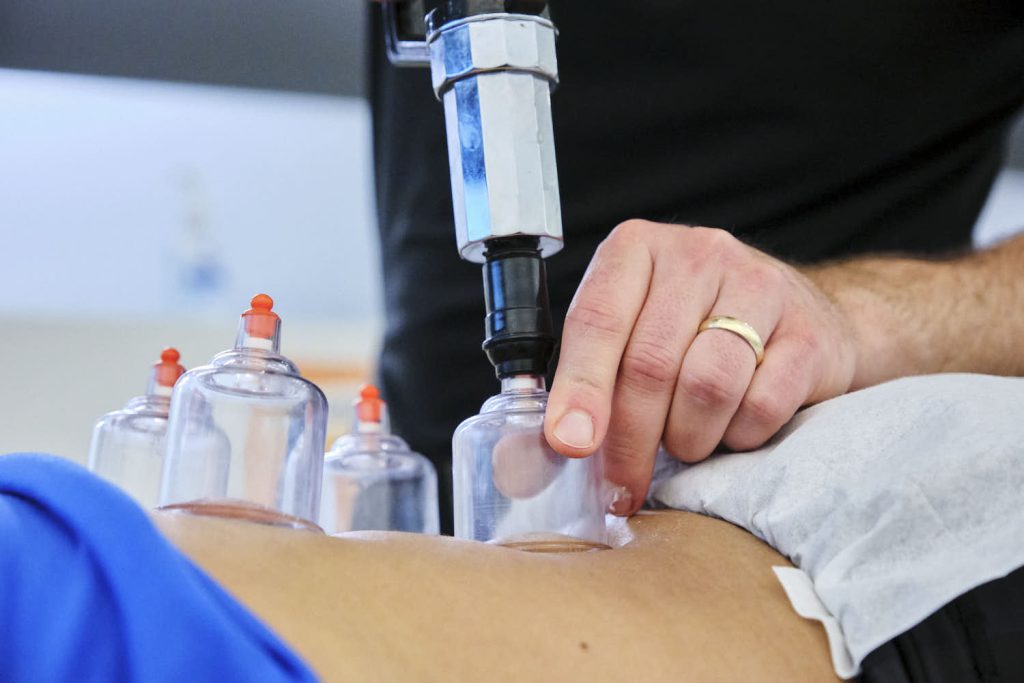
Cupping therapy is a type of soft tissue and myofascial release where we place cups on your skin to create gentle suction. At our Seattle chiropractic and rehabilitation clinic, we typically use modern silicone or plastic cups rather than glass and fire. The suction lightly lifts the skin and underlying tissues, which may help ease muscle tension and improve local circulation.
We often integrate cupping as part of a broader care plan that can also include chiropractic adjustments, Active Release Techniques, Graston Technique, and functional rehabilitation therapy. This combination-based approach may be particularly helpful for active adults, runners, lifters, and busy professionals who want to move and feel their best.
How Does Cupping Work?
When we place a cup on your skin and create suction, the tissue under the cup is gently drawn upward. You may feel a firm, “pulling” sensation that usually eases after a few seconds as your body adapts. Many people describe this as a deep, broad pressure rather than a sharp sensation.
In our clinic, cupping may be used in two ways:
- Static cupping: Cups are left in one place for several minutes over tight or sore areas, such as the upper back or calves.
- Gliding cupping: We apply lotion and move the cups slowly along muscle lines to create a myofascial release effect over a larger region.
Cupping can be paired with movement-based work as well. For example, while cups are on, we may guide you through gentle stretches or activation drills as part of your functional rehabilitation program. This combination of manual therapy and active movement often fits well with patients who prefer natural, exercise-based solutions.
Potential Benefits of Cupping Therapy for Recovery
For many people in Seattle looking for sports recovery support, cupping therapy may be a helpful complement to chiropractic care, exercise, and other hands-on treatments. While the exact mechanisms are still being explored, clinical programs that integrate body-based techniques, movement, and breathing are associated with improvements in function, quality of life, and exercise tolerance in people managing long-term heart and lung conditions.1-3 These types of mind-body and manual strategies may have similar recovery-supporting effects when thoughtfully adapted for musculoskeletal needs.
At Tangelo Health, we find that cupping may help with:
- Muscle tension relief: Many patients feel looser and report less “knotted” sensation in areas like the traps, hamstrings, or calves after a cupping session.
- Back and neck discomfort: Cupping for back pain can be one tool we use alongside spinal mobility work, core training, and low back pain care. We may also use it to support recovery from neck pain, especially when postural strain and muscle tightness are involved.
- Sports recovery in Seattle athletes: Runners, lifters, and recreational athletes often use cupping for muscle recovery after intense training blocks, races, or tournaments.
- Stress-related tightness: People who spend long hours at a computer frequently notice relief in the upper back and shoulders when we pair cupping with postural exercises.
Cupping is rarely the only tool we use. For many conditions—such as shoulder pain, knee pain, or hip pain—we may blend cupping with specific strength work, mobility drills, and techniques such as Active Release Techniques to support lasting results.
What Conditions Can Cupping Help With?
Because cupping is a soft tissue-focused therapy, we often consider it when muscle tension, myofascial restrictions, or overuse play a role in your symptoms. At our Seattle and West Seattle locations, cupping may be included in care plans for:
- Back and neck discomfort: Including low back pain, postural strain, and certain cases of sciatica.
- Sports-related muscle strains and tendon irritation: Such as calf tightness, hamstring strains, or tendonitis associated with running or lifting.
- Shoulder and upper back issues: Including shoulder pain connected to overhead sports or long periods at a desk.
- Lower limb overuse problems: Cupping may complement care for conditions like plantar fasciitis when paired with foot-strengthening, calf mobility, and gait retraining.
- Headaches with a muscular component: For some people with tension-type headaches, addressing neck and upper-back muscles with cupping and manual therapy may ease overall strain.
During your evaluation, we will look at what is driving your symptoms—movement patterns, joint mobility, strength, and lifestyle factors—then decide whether cupping is a good fit for you or if other options like spinal decompression therapy or MLS laser therapy may be more appropriate.
Cupping vs. Massage Therapy
Patients often ask how cupping compares to massage. While both are forms of manual therapy in Seattle, they work in slightly different ways:
- Massage typically uses pressure to push into muscles and fascia.
- Cupping uses suction to lift tissues away from the body, which many people feel as a broader, more decompressive sensation.
Some patients prefer the feel of massage, others respond better to cupping, and many appreciate a combination. Because we integrate both soft tissue work and active rehab, we can tailor your session toward what your body responds to best.
What to Expect During Cupping Therapy at Tangelo Health
When you come to our clinic for cupping therapy in Seattle or West Seattle, we start with a detailed assessment of your movement, strength, and symptoms. We want to understand your training demands, work stressors, and goals—whether that is returning to sport, easing chronic discomfort, or improving sports recovery in Seattle’s active environment.
During a cupping session, you can expect:
- A clear explanation of what we are doing and why.
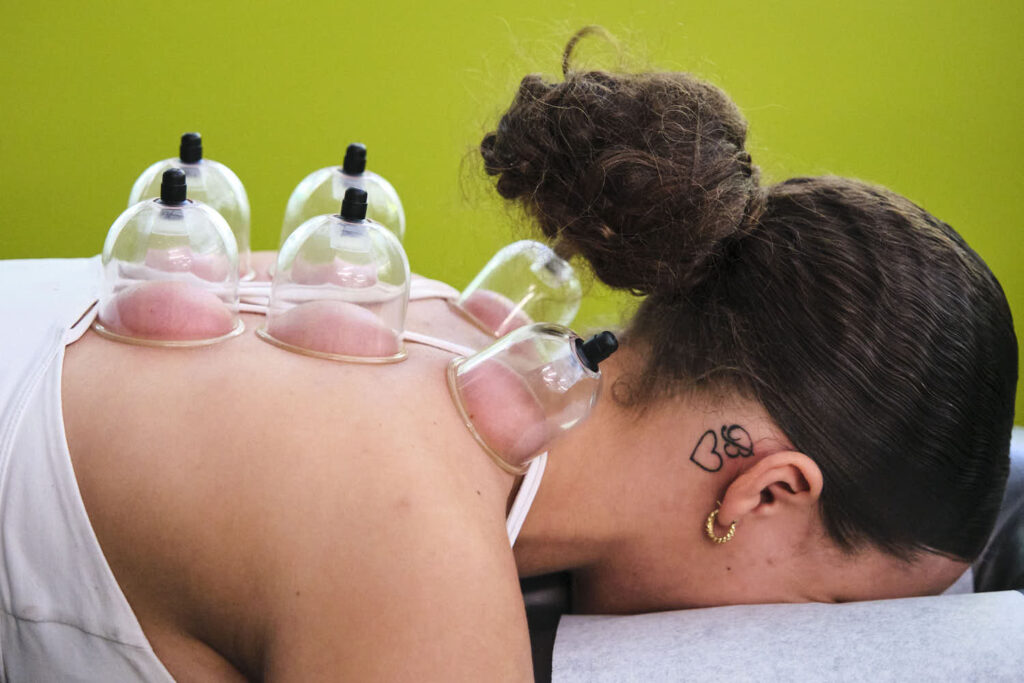
- Cups placed on focused areas such as the back, glutes, hamstrings, or shoulders.
- Suction that feels firm but should remain comfortable; we adjust pressure based on your feedback.
- Possible light circular marks afterward that usually fade over several days.
We often pair cupping with mobility drills, strength work, and education on posture or training loads, so you leave not only feeling better but also understanding how to keep improving on your own.
Is Cupping Therapy Effective?
For many people, cupping therapy appears to be a useful tool within a larger care plan that includes movement, strengthening, and other hands-on techniques. Programs that combine body-based practices, breathing, and mindful movement are associated with improvements in quality of life, functional capacity, and symptom relief in people with chronic heart and lung conditions, especially when the exercises are simple, flexible, and supported by a strong care team.1-3 In our rehab setting, we apply similar principles by keeping sessions collaborative, goal-focused, and aligned with what you can realistically maintain.
It is also important to remember that not everyone responds the same way. Factors like your overall health, training load, stress, and sleep can all influence recovery. Our experienced professionals will always discuss realistic expectations and adjust your plan based on how you feel and what matters most to you.
FAQ: Cupping Therapy at Tangelo Health
Is cupping therapy painful?
Cupping should not be painful. You will feel pressure and a pulling sensation under each cup, but we adjust the amount of suction so it stays within your comfort level. Some areas may feel more intense if they are especially tight, but we can always modify.
Will I bruise from cupping?
Cupping often leaves circular marks that look like bruises but usually do not feel sore to the touch. These are typically temporary and fade over a few days. We will explain what to expect and how to care for the area afterward.
How long does a cupping session take?
Cupping is usually just one part of your visit. Cups may stay on for 5–15 minutes, depending on your needs, and we often combine this with other care like chiropractic adjustments, kinesiology taping, or structured exercises.
Who should avoid cupping?
There are certain situations where cupping may not be appropriate, such as specific skin conditions, open wounds, or particular medical concerns. Before recommending cupping, we will review your health history and make sure it is a safe choice for you.
How do I know if cupping is right for my condition?
The best way to know is through a thorough assessment. Whether you are dealing with wrist pain, recovering from an auto injury or whiplash, or just feeling generally tight from training, we will look at the whole picture and discuss whether cupping may be a helpful part of your plan.
If you are looking for chiropractic and cupping in Seattle or West Seattle and want a plan built around your goals, training, and lifestyle, our team is here to help you move better, feel better, and get back to what you love. Book an Appointment
References
- Hu G, et al. Nonpharmacological dyspnoea-relief strategies in lung cancer: a systematic review and network meta-analysis. Eur Respir Rev. 2026. doi:10.1183/16000617.0232-2025
- Zhang N, et al. Facilitators and barriers to the implementation of traditional Chinese exercises in cancer patients: a mixed-methods systematic review. Support Care Cancer. 2026. doi:10.1007/s00520-026-10803-x
- Zhu Y, et al. Comparative efficacy of different mind-body exercises on functional capacity and quality of life in patients with chronic heart failure: a systematic review and network meta-analysis. Front Public Health. 2026. doi:10.3389/fpubh.2026.1802127