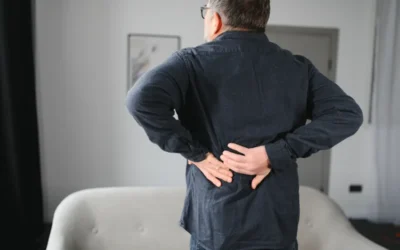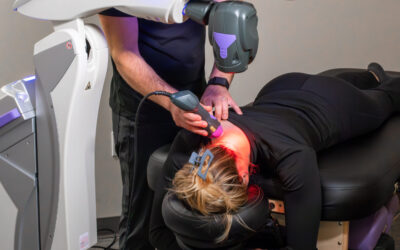
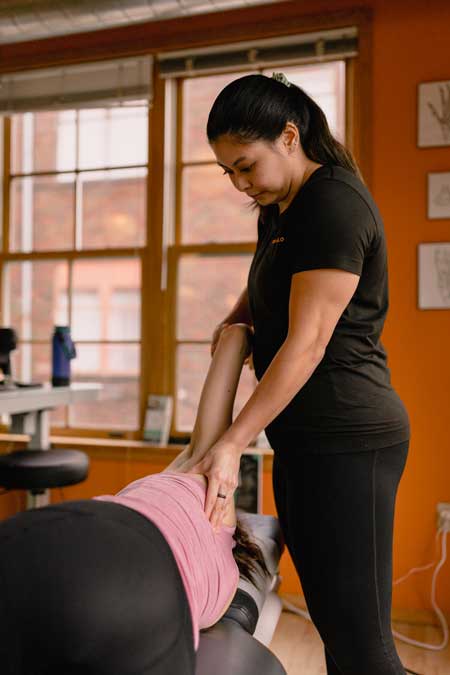
Many of the active adults and athletes we see at Tangelo Health come in with the same complaints: tight shoulders, a stiff neck, an achy lower back, and hips that never quite feel “open.” Often, the root issue is not just one sore muscle or joint, but a postural pattern called upper and lower cross syndrome. The good news is that with the right combination of chiropractic care and functional rehabilitation, these patterns may be changed in a way that supports long-term posture, performance, and comfort.
What is upper and lower cross syndrome?
Upper and lower cross syndrome are common postural dysfunctions created by predictable patterns of muscle imbalance. In simple terms, some muscles become overactive and tight, while others become underactive and weak, forming a “cross” pattern through the body.
Upper cross syndrome usually shows up as:
- Forward head posture
- Rounded shoulders and a hunched upper back
- Tight chest and upper neck muscles
- Weak mid-back and deep neck stabilizers
Lower cross syndrome usually appears as:
- An exaggerated arch in the lower back
- Hips that tip forward (anterior pelvic tilt)
- Tight hip flexors and lower back muscles
- Weak glutes and deep core muscles
These postural patterns are especially common in people who sit at a desk, drive often, or combine intense workouts with long hours of inactivity. Over time, upper and lower cross syndrome may contribute to recurring neck pain, low back pain, shoulder discomfort, and headaches.
Why do these postural patterns matter?
When posture shifts into an upper or lower crossed pattern, your body has to work harder just to hold you upright. Joints are no longer stacked efficiently, and muscles begin to compensate. This can lead to:
- Stiffness and reduced mobility in the spine, shoulders, and hips
- Overuse of certain muscles and underuse of others
- Less efficient movement, especially in running, lifting, and overhead sports
- Increased strain on discs, ligaments, and tendons
For many people, this shows up as chronic tension between the shoulder blades, tightness in the chest and hip flexors, or nagging pain that worsens with sitting, computer work, or long training sessions.
How chiropractic care may help upper and lower cross syndrome
At Tangelo Health, we look at upper and lower cross syndrome as full-body movement problems, not just “bad posture.” Our approach blends chiropractic adjustments, soft-tissue techniques, and active rehabilitation to help restore balance across the entire system.
1. Chiropractic adjustments for postural alignment
Gentle, targeted chiropractic adjustments may help improve joint mobility in the spine, ribs, and pelvis, which can make it easier to stand taller, move freely, and activate the right muscles during exercise. Many patients notice that adjustments make it more comfortable to maintain healthier posture throughout the day.
If you are looking for a posture correction chiropractor in Seattle, our chiropractors in West Seattle and Green Lake focus on how each adjustment fits into a bigger plan for movement, strength, and long-term change.
2. Soft-tissue care for tight, overworked muscles
With upper and lower cross syndrome, certain muscles often become shortened and overactive. Our team may use several hands-on options to address this, including:
- Active Release Techniques for muscles and fascia that limit shoulder, neck, or hip motion
- The Graston Technique to address restricted or sensitive soft tissues that may be affecting movement
- Cupping to help ease muscle tension and improve local circulation
- Kinesiology taping to gently support posture and movement patterns between visits
These tools may help reduce the feeling of “locked up” muscles so that corrective exercises are more comfortable and effective.
3. Functional rehabilitation to correct muscle imbalances
Lasting change with upper and lower cross syndrome comes from retraining how you move. At our clinic, we design individualized functional rehabilitation programs that focus on:
- Strengthening weak areas such as the mid-back, deep neck flexors, core, and glutes
- Improving control of the shoulder blades, ribcage, and pelvis
- Teaching efficient patterns for sitting, standing, lifting, and sport-specific movements
For many adults, building and maintaining strength is a crucial part of staying active and resilient. Resistance training has been shown to improve lower limb muscle strength in older adults, and higher-intensity training appears to create larger strength gains compared with lower-intensity training, while showing similar safety profiles.2 Our rehabilitation plans are customized around your current capacity, goals, and training schedule so that you can safely build the strength you need for better posture.
4. Supporting an active lifestyle
Our goal is not just to help you stand up straighter in the mirror; we want you to move confidently in the activities you love. Staying active is important for joint health, bone density, and overall function. Structured aerobic exercise has been associated with improvements in bone density when performed consistently over several months, especially at higher intensities and with sessions lasting around 30–59 minutes, several times per week.3
We take into account your sport, work demands, and recovery needs to design a plan that supports both posture correction and long-term performance, whether you are a runner, lifter, weekend warrior, or simply want to feel better at your standing desk.
What does upper and lower cross treatment look like at Tangelo?
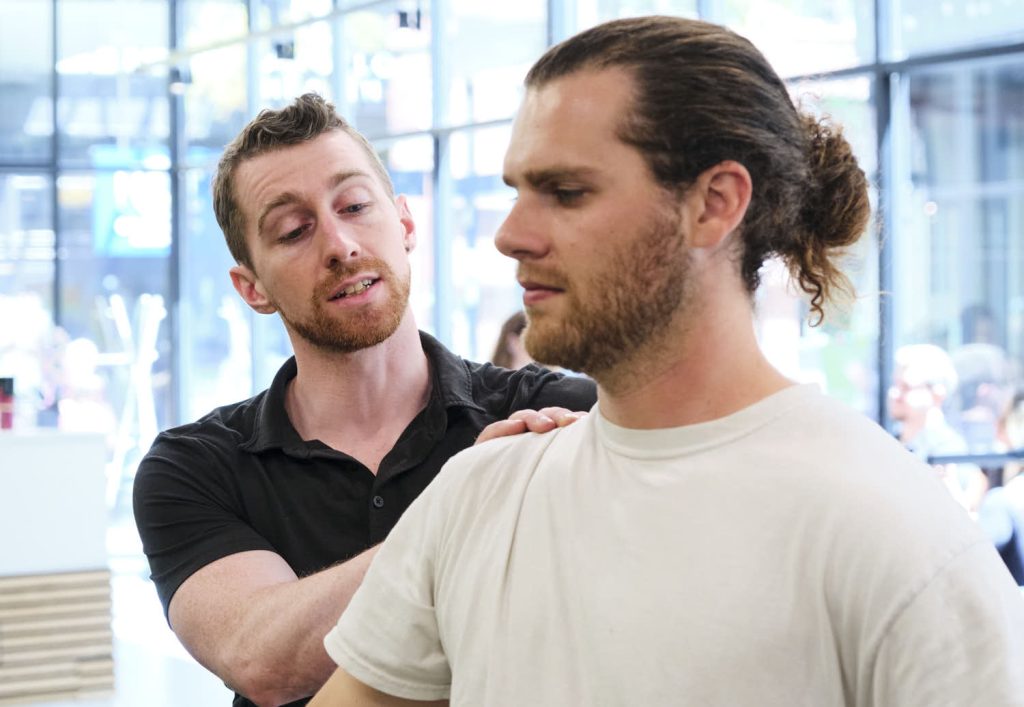
Every patient’s plan is different, but a typical care path for upper and lower cross syndrome in our Seattle clinics may include:
- A detailed movement and posture assessment, including how you sit, stand, lift, and breathe
- Spinal and extremity adjustments from a neck and back pain chiropractor who focuses on functional movement
- Soft-tissue sessions using tools such as Active Release Techniques or the Graston Technique for posture-related muscle tightness
- Individualized corrective exercises to address your specific upper and lower crossed muscle imbalances
- Education on workstation setup, daily movement breaks, and warm-up strategies
- Progressions into higher-level strength or sport-specific training as you improve
If needed, we may also integrate additional services such as spinal decompression therapy for stubborn low back issues or MLS laser therapy for areas with persistent irritation or sensitivity.
Simple tips to start improving upper and lower cross syndrome
While a customized plan is the most effective way to address these patterns, you can begin supporting your posture today with a few small changes:
- Break up sitting: Stand, walk, or stretch for a few minutes every 30–60 minutes.
- Open your chest: Gentle doorway stretches may help counteract rounded shoulders.
- Activate your glutes: Practice controlled hip bridges or mini-squats with good form.
- Check your screen height: Aim to keep your eyes level with the top third of your monitor.
- Breathe low and wide: Diaphragmatic breathing can support better ribcage and spine alignment.
These changes alone may not fully resolve upper and lower cross syndrome, but they can set the stage for deeper work during chiropractic and rehabilitation sessions.
FAQ: Upper and lower cross syndrome and chiropractic care in Seattle
Is upper cross syndrome the same as poor posture?
Upper cross syndrome is one type of postural dysfunction, but it is more than just “slouching.” It involves specific patterns of tight and weak muscles that influence how your neck, shoulders, and upper back move. Addressing it usually requires both hands-on care and targeted exercise, not just “sitting up straighter.”
Can chiropractic care fix upper and lower cross syndrome?
No single treatment fully “fixes” these patterns on its own, but chiropractic care—combined with soft-tissue work and functional rehabilitation—may significantly improve alignment, mobility, strength, and comfort. Many of our patients find that this integrated approach helps them maintain better posture with less effort and reduced pain over time.
How long does it take to see results?
Most people notice some changes in how they move and feel within the first few weeks, especially when they are consistent with their exercises and visit schedule. More ingrained postural patterns may take several months to retrain, similar to building strength or improving endurance.
Can I still work out if I have upper or lower cross syndrome?
In many cases, yes. We usually encourage people to stay active, but we may recommend modifying certain lifts or movements for a time. Our team can help you adjust your strength or cardio program so that your workouts support posture correction instead of reinforcing old patterns.
What if I already have neck or back pain?
Upper and lower cross syndrome commonly overlap with neck pain, low back pain, and headaches. Our back and neck pain chiropractors in Seattle evaluate both your symptoms and your posture so we can address the underlying drivers, not just the pain itself.
Do you offer posture-focused chiropractic care in West Seattle and Green Lake?
Yes. We have chiropractor teams in both West Seattle and Green Lake who focus on postural dysfunction treatment, muscle imbalance treatment, and exercise-based solutions for forward head posture, rounded shoulders, and lower crossed patterns.
Explore Treatments for Upper and Lower Cross Syndrome at Tangelo Health
If you are dealing with upper or lower cross syndrome and want a plan that blends chiropractic care with progressive, exercise-based rehabilitation, you can Book an Appointment with our Seattle team.
References
- Hempenstall P, et al. Barriers to and facilitators of maintaining physical activity for people with hip and knee osteoarthritis: a mixed-methods systematic review. Rheumatol Int. 2026. doi:10.1007/s00296-026-06230-0
- Shen YC, et al. Effectiveness of High-Intensity Versus Low-To-Moderate-Intensity Resistance Training in Improving Muscle Strength and Bone Mineral Density in Older Adults: A Systematic Review and Meta-Analysis of Randomized Controlled Trials. Geriatr Gerontol Int. 2026. doi:10.1111/ggi.70607
- Xi C, et al. A network meta-analysis of the effects of different aerobic exercise prescriptions on bone density in osteoporosis patients. Front Endocrinol (Lausanne). 2026. doi:10.3389/fendo.2026.1828031