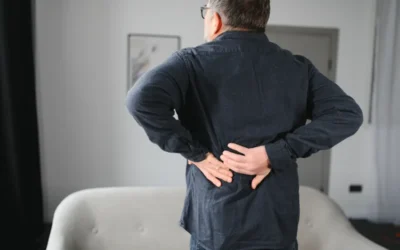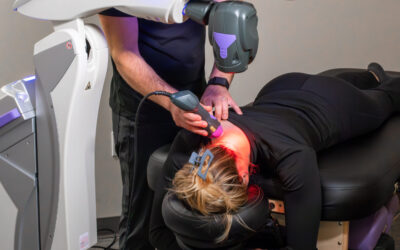
Shoulder pain can make simple things, like reaching into a cabinet or putting on a jacket, feel frustrating and even scary when you are no longer able to move the way that you remember. At Tangelo Health in Seattle, we work with many active adults and athletes who are dealing with rotator cuff injuries, shoulder impingement, and other shoulder problems. Our goal is to help you understand what is going on, why it hurts, and how chiropractic care combined with functional rehabilitation may help you move with confidence again.
What causes rotator cuff pain and shoulder injuries?
The rotator cuff is a group of four muscles and tendons that help stabilize your shoulder and guide smooth movement. When these tissues are irritated, overloaded, or injured, you may notice pain with lifting your arm, reaching overhead, or sleeping on that side.
Common issues we see at our Seattle chiropractic and rehabilitation clinic include:
- Rotator cuff tendinopathy (tendon irritation from overuse)
- Shoulder impingement, where structures in the shoulder become pinched during movement1
- Adhesive capsulitis (“frozen shoulder”), which limits motion and causes a deep, aching pain2
- Sports shoulder injuries from climbing, swimming, lifting, or throwing
- Posture-related shoulder pain from desk work or tech use
If you are wondering “what causes rotator cuff pain?” the answer is often a mix of factors: repeated overhead motions, strength imbalances, poor movement mechanics, or a specific strain from sports or lifting.
On our dedicated shoulder pain treatment page, we discuss how these issues may show up and when it might be time to seek help.
How chiropractic care may help with shoulder pain and rotator cuff injuries
Many people search for a “shoulder pain chiropractor in Seattle” when they start to notice pain that is not going away on its own. At Tangelo Health, we combine chiropractic adjustments, soft tissue therapy, and customized exercise-based rehabilitation to address both pain and movement limitations.
Our shoulder pain treatment approach typically includes:
- Gentle joint mobilization and chiropractic adjustments to the shoulder, upper back, and neck
- Soft tissue therapy, such as Active Release Techniques and the Graston Technique, to address tight or irritated muscles and fascia
- Individualized rotator cuff rehabilitation exercises to improve strength, control, and shoulder stability3
- Posture and movement coaching for work, sport, and daily activities
Joint mobilization is one of the tools we use in our chiropractic care. It has been associated with reduced pain and improved shoulder range of motion when added to traditional physical therapy in people with shoulder impingement.1 This kind of hands-on care may help your shoulder move more freely so you can get more out of your exercises.
The role of exercise in rotator cuff injury treatment
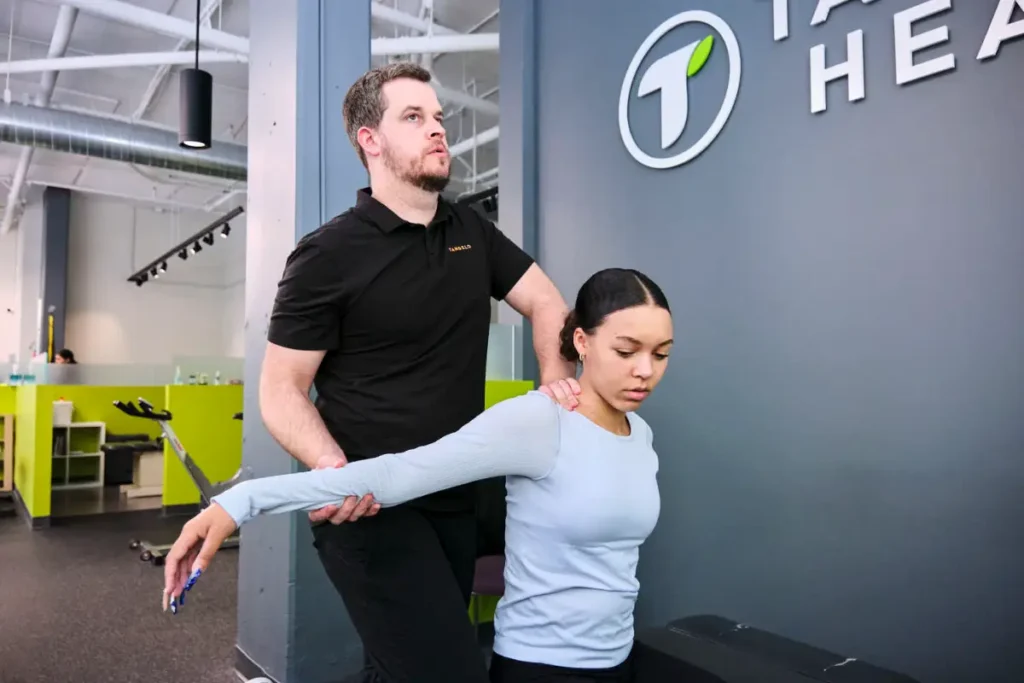
For rotator cuff tendinopathy and many non-surgical shoulder conditions, targeted exercises are a key part of recovery. Exercises that focus on the shoulder muscles may reduce pain and improve function compared with doing nothing, although the certainty of the evidence is limited.3 This aligns with what we see in our clinic every day. Patients will commit to a thoughtful, progressive program and their shoulders often feel and move better over time.
At Tangelo Health, our functional rehabilitation therapy for rotator cuff injuries might include:
- Gentle range of motion drills to restore comfortable movement
- Strengthening of the rotator cuff and scapular (shoulder blade) muscles3
- Closed-chain and functional exercises that mimic your sport or daily activities
- Education on load management: how much to do, how often, and how to progress safely
If you are asking “how long does a rotator cuff injury take to heal?” the honest answer is that it varies. Factors like the severity of the injury, your training load, work demands, and overall health all play a role. Our team works with you to set realistic milestones and adjust your program as your shoulder responds.
Other supportive options for stubborn shoulder pain
Some shoulder conditions, such as adhesive capsulitis (frozen shoulder), can be particularly limiting. In these cases, combining hands-on care and physical therapy with other medical options may provide additional short-term benefits.2 When appropriate, we collaborate with your broader healthcare team, including your primary care provider or orthopedic specialist, to support a combined plan that fits your goals.
Within our clinic, we may also recommend complementary services as part of shoulder injury treatment in Seattle, including:
- MLS laser therapy for shoulder pain, which may support tissue healing and comfort
- Cupping therapy or other soft tissue therapy for shoulder tightness
- Kinesiology taping to provide gentle support during activity
For many of our patients in West Seattle, Green Lake, and across the city, combining these services with chiropractic adjustments and exercise-based care creates a more complete plan for shoulder pain treatment.
Shoulder pain chiropractor vs physiotherapist: how we fit into your care
People often wonder whether they should see a shoulder pain chiropractor or a physiotherapist. In many cases, the best results come from an integrated approach. At Tangelo Health, our chiropractors and rehabilitation professionals blend manual therapy, movement coaching, and strength training in one place.
We may be a good fit if you are looking for:
- A specialized plan from an experienced professional who understands both sports and everyday demands
- A plan that includes hands-on care and exercise, not just one or the other
- Guidance on safely returning to lifting, running, climbing, or recreational sports
- Natural, movement-based strategies to help manage pain and prevent it from coming back
If you already have a physiotherapist or other provider, we are happy to collaborate and keep your care team aligned around your goals.
FAQ: Shoulder pain and rotator cuff injuries in Seattle
Can a chiropractor help with rotator cuff injury?
A shoulder pain chiropractor may help with rotator cuff injuries by improving joint mobility, addressing soft tissue tightness, and guiding a structured exercise program focused on the shoulder and scapular muscles.1,3 At our Seattle clinic, we tailor your care based on your specific diagnosis, activity level, and goals.
How long does a rotator cuff injury take to heal?
Healing time varies widely. Some mild strains may calm down in a few weeks with rest and targeted exercise, while more stubborn rotator cuff tendinopathy can take several months of consistent rehabilitation. Our team regularly reassesses your progress and adjusts your plan so you are not guessing about your recovery.
What are signs I should seek shoulder pain treatment?
It may be time to see a shoulder pain chiropractor in Seattle if you notice:
- Sharp pain when lifting your arm or reaching overhead
- Weakness or a “giving way” feeling in the shoulder
- Night pain that wakes you up or makes it hard to sleep on that side
- Loss of motion, such as not being able to reach behind your back
- Shoulder pain that has lasted more than a couple of weeks
Is chiropractic care safe for sports shoulder injury in Seattle athletes?
For most active adults and athletes, chiropractic care that is focused on joint mobilization, soft tissue therapy, and progressive exercise is considered a reasonable, conservative option for managing many shoulder issues, including sports shoulder injury in Seattle. We perform a thorough assessment first and refer for imaging or medical evaluation when needed.
Do you treat other related pain, like neck or back issues?
Yes. Shoulder problems often show up together with neck pain, upper back stiffness, or even low back pain, especially in people who sit for long hours or train hard. We look at how your entire body moves, not just your shoulder, so you can move more efficiently and reduce strain in the long term.
Find ways to help reduce your Shoulder Pain Today.
Book an Appointment to start your assessment with Tangelo Health and find your way back to moving comfortably throughout your day.
Tangelo Health – Chiropractic & Rehabilitation in Seattle
References
- Lee G, et al. Clinical efficacy of joint mobilization for shoulder impingement syndrome: a systematic review and meta-analysis. PLoS One. 2026. doi:10.1371/journal.pone.0352260
- Boutros M, et al. Intra-articular corticosteroid Injection combined with physical therapy versus physical therapy alone for adhesive capsulitis: a meta-analysis of randomized controlled trials. Eur J Orthop Surg Traumatol. 2026. doi:10.1007/s00590-026-04834-7
- Lazzarini SG, et al. Comparative effectiveness of physical therapy interventions in adults with rotator cuff tendinopathy: a systematic review and network meta-analysis. Br J Sports Med. 2026. doi:10.1136/bjsports-2025-110024