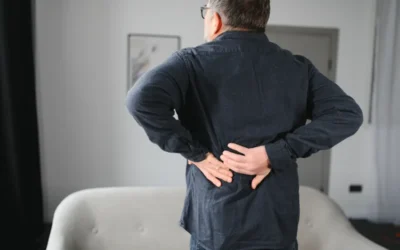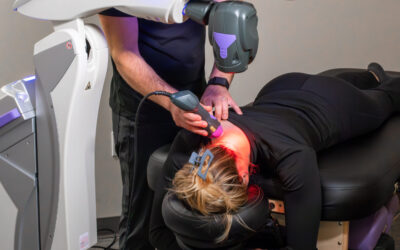
If you are living with stubborn low back pain or sciatica and trying to stay active in Seattle, you may be wondering whether you should consider spinal decompression therapy or go straight to back surgery. Many of our patients at Tangelo Health ask if they can avoid back surgery and still get reliable relief. Our role is to help you understand your options so you can move, train, and live with confidence.
Understanding spinal decompression vs. back surgery
Spinal decompression and back surgery both aim to reduce pressure on irritated nerves in your spine, often caused by issues like a herniated or bulging disc, degenerated/desiccated discs, spinal stenosis, or a “slipped” disc. The big difference is that non-surgical spinal decompression is gentle, mechanical traction, while surgery is an invasive procedure performed in an operating room.
At our Seattle chiropractic and rehabilitation clinic, we focus on non-surgical spinal decompression and other conservative treatments first. These non-surgical options have helped many people with lower back pain, sciatica, and neck pain avoid or delay surgery while staying active.
What does spinal decompression therapy involve?
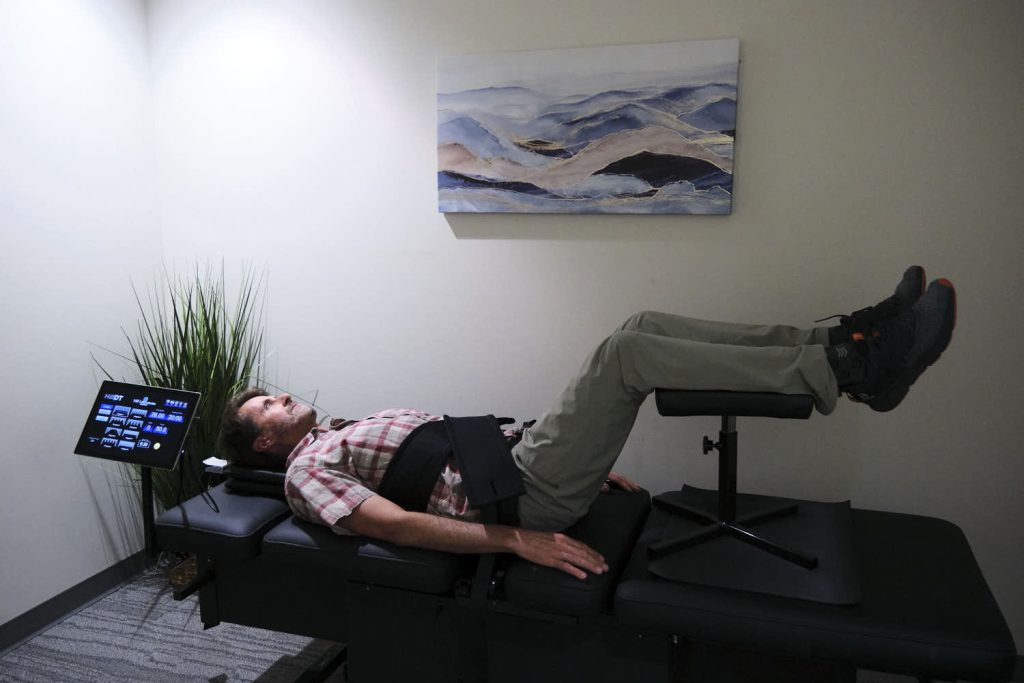
Non-surgical spinal decompression therapy slowly, gently, and repetitively lengthens specific areas of the spine and releases pressure on the discs. Spinal decompression therapy is delivered using an advanced, FDA-cleared treatment table. It pulls and releases, creating a pressure change within the disc, surrounding soft tissues and joints. This pressure change alleviates pressure in the injured disc and facilitates recovery. The goal is to reduce pressure on discs and nerves, create more space between vertebrae, and allow irritated tissues to calm down. This may help with conditions such as:
- Low back pain from disc or joint irritation
- Sciatica and leg pain related to nerve compression
- Herniated or bulging discs in the lumbar or cervical spine
- Degenerative disc issues contributing to spinal stenosis
- Cases where previous surgical interventions have failed.
During spinal decompression therapy at our clinic, you are comfortably secured to a specialized table while a computer-controlled system applies and releases gentle traction. We can adjust the angle and amount of pull to target specific areas of the spine, such as lumbar decompression therapy for the lower back or cervical decompression therapy for the neck.
We typically combine disc decompression therapy with other care, such as chiropractic adjustments, Active Release Techniques, Graston Technique, cupping, and functional rehabilitation. This integrative approach may help address both the mechanical compression in your spine and the muscular or movement imbalances that contributed to your symptoms.
What does back surgery involve?
“Back surgery” is an umbrella term that can include procedures such as decompressive laminectomy, microdiscectomy, fusion, or placement of an interspinous spacer. The shared goal is to surgically remove or stabilize structures that are pinching nerves, often for lumbar spinal stenosis or severe disc issues.
For lumbar spinal stenosis, decompressive surgery has been associated with better pain, disability, and quality-of-life outcomes over 2 to 4 years compared with continued conservative care after at least 3 to 6 months of non-surgical treatment.3 Improvements in function after decompressive surgery for stenosis have also been reported in the range of roughly 38% to 67% over two years, compared with smaller early gains from exercise alone.2
However, surgery is invasive and carries risks. Reported complication rates for some spinal surgeries for lumbar stenosis have ranged from about 10% up to 24%, including issues such as fracture, cardiovascular or respiratory problems, hematoma, stroke, reoperation, and in rare cases, death.1
How do non-surgical and surgical options compare?
When we talk with Seattle patients who want to avoid back surgery, we walk through what the research suggests about surgery versus conservative options for conditions like lumbar spinal stenosis.
- For people with lumbar spine stenosis who have already tried conservative care for several months, decompressive surgery has shown better average results for pain and disability than non-surgical care over 2 to 4 years.3
- When decompressive surgery (with or without fusion) is compared to multi-modal non-operative care, early differences at 6 to 12 months may be small, with more noticeable benefit in favor of surgery emerging around 24 months in some measures of disability.1
- Land-based exercise alone can lead to meaningful functional improvement (in the range of about 16% to 29% above baseline), especially early on, but decompressive surgery has been associated with greater and more sustained improvement over two years in patients specifically diagnosed with lumbar spinal canal stenosis.2
- Across several trials, non-surgical conservative treatments for lumbar stenosis (such as exercise-based care and rehabilitation) have been reported with no or limited documented side effects, while surgical groups showed measurable complication rates.1,2
We use this kind of information to help you weigh the potential for greater long-term improvement from surgery against the fact that conservative options are generally lower risk and may still provide meaningful relief, especially for active adults who want to stay away from the operating room if possible.
Benefits of trying conservative care first
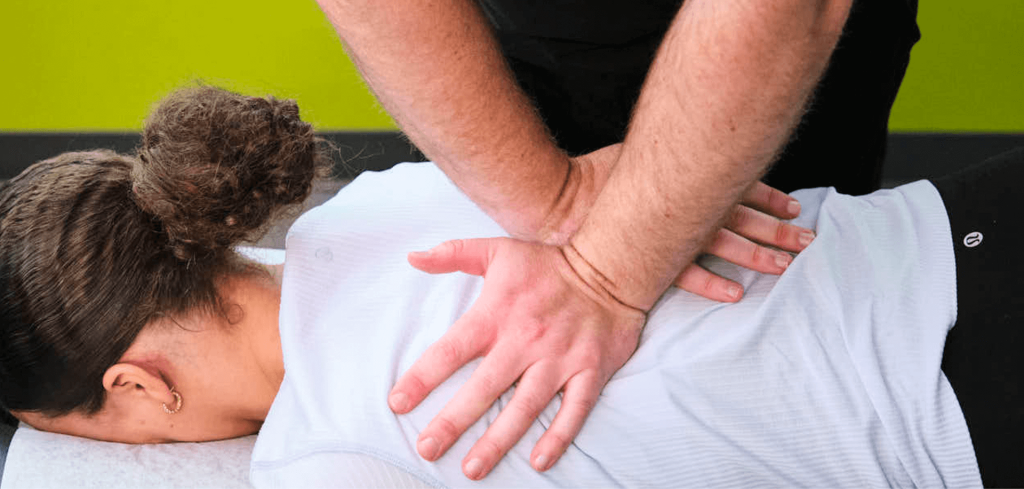
For many Seattle patients, a structured, non-surgical back pain treatment plan may be a smart first step, especially if your symptoms are annoying but not disabling. Because lumbar spinal stenosis and disc issues may progress slowly, land-based exercise and other conservative measures are often recommended before surgery is considered.2
At Tangelo Health, conservative care may include:
- Spinal decompression chiropractic care for lumbar and cervical discs
- Chiropractic treatment of lower back pain to improve joint motion
- Functional rehabilitation to build strength, control, and resilience
- Soft-tissue approaches such as Active Release Techniques, Graston Technique, and cupping therapy
- MLS laser therapy as a non-invasive option that may help calm irritated tissues
- Customized home exercise programs to support long-term change
This type of non-surgical spinal decompression and rehabilitation plan may help you:
- Reduce pain from conditions such as low back pain, sciatica, or neck pain
- Improve mobility so you can walk, run, or lift with more confidence
- Support your posture and mechanics for both work and sport
- Potentially delay or avoid back surgery in some cases
Even if you eventually choose surgery, coming into the process stronger and more mobile often makes recovery smoother. Conservative care can therefore be valuable whether or not you end up in the operating room.
Who may be a good candidate for spinal decompression?
We often discuss spinal decompression therapy with patients who:
- Have chronic or recurring lower back pain that has not responded well to rest alone
- Have leg pain, numbness, or tingling consistent with sciatica or nerve irritation
- Have been told they have a herniated, bulging, or “slipped” disc and want a non-surgical option
- Are seeking non-surgical back pain treatment in Seattle before committing to procedures like injections or surgery
- Are looking for an active, exercise-based plan rather than passive care only
On the other hand, not everyone is a good candidate for spinal decompression. We screen for red flags such as fractures, severe instability, certain advanced spinal conditions, or recent spinal surgeries that may make traction inappropriate. In those cases, we help coordinate with your medical team to explore the safest path forward.
Questions to ask before considering back surgery
If you are wondering whether spinal decompression is better than surgery for your situation, it can help to ask your providers:
- Have I completed a thorough trial (often several months) of well-structured conservative care, including exercise and possibly traction or decompression?2,3
- How severe is my spinal stenosis or disc issue on imaging, and does it match my symptoms?
- What are the realistic goals of surgery for me in terms of pain relief and function, and over what timeframe?2,3
- What are the specific risks and complication rates for the procedure being recommended?1
- How will prehab (chiropractic care, exercise, rehab) support my outcome if I do choose surgery?
Our team partners with you and your other providers, including surgeons, to help you make informed decisions based on your goals, not just your imaging.
FAQ: Spinal decompression vs. back surgery for Seattle patients
Is spinal decompression better than surgery?
“Better” depends on your condition, severity, health history, and goals. For people with significant lumbar spinal stenosis who have already tried several months of conservative treatment, decompressive surgery has been associated with greater long-term improvements in pain and function than continued conservative care, although differences tend to narrow over time.2,3 At the same time, conservative options generally have fewer reported side effects and may still provide meaningful relief for many patients.1,2 We help you weigh these trade-offs based on your unique situation.
How long should I try non-surgical treatment before considering surgery?
In the research on lumbar spinal stenosis, patients often underwent at least 3 to 6 months of conservative care (including exercise, physical therapy, and other non-surgical options) before being considered for surgery.³ The exact timeline for you may depend on how severe your symptoms are, how much they affect your daily life, and how you respond to care. Roughly 90 percent of back pain resolves without surgery.⁴ So context matters, and it is important to attempt all options to ensure future success and long term results.
Can spinal decompression therapy help me avoid back surgery?
Many people choose non-surgical spinal decompression in Seattle because they want to avoid or postpone surgery. In our experience, some patients feel enough relief and functional improvement that surgery is no longer on the table, while others still decide on surgery but go in better prepared. Because conservative treatments carry fewer reported risks than surgery in the stenosis research, starting with a structured, active plan is often a reasonable step for many patients.1,2
What is the difference between spinal decompression and regular traction?
Traditional traction applies a constant pull, while modern non-surgical spinal decompression uses carefully controlled cycles of pull and release, often at specific angles, to better target the discs and spinal segments involved. At Tangelo Health, we pair this technology with hands-on chiropractic care and rehab so your muscles, joints, and nervous system all get the support they need.
Do I have to stop being active while I’m in treatment?
Because we work with athletes, runners, lifters, and busy professionals, our goal is to keep you moving as much as safely possible. We often modify, rather than completely stop, your training. As symptoms improve with spinal decompression, chiropractic care, and functional rehab, we gradually progress you back toward your desired level of performance.
Find support at Tangelo Health
If you are wondering whether non-surgical spinal decompression in Seattle is a good first step before considering back surgery, our team at Tangelo Health can help you map out a clear plan based on your goals, lifestyle, and current diagnosis. Book an appointment to start a personalized evaluation and treatment plan.
References
- Zaina F, et al. Surgical versus non-surgical treatment for lumbar spinal stenosis. Cochrane Database Syst Rev. 2016. doi:10.1002/14651858.CD010264.pub2
- Jarrett MS, et al. The effectiveness of land based exercise compared to decompressive surgery in the management of lumbar spinal-canal stenosis: a systematic review. BMC Musculoskelet Disord. 2012. doi:10.1186/1471-2474-13-30
- Kovacs FM, et al. Surgery versus conservative treatment for symptomatic lumbar spinal stenosis: a systematic review of randomized controlled trials. Spine (Phila Pa 1976). 2011. doi:10.1097/BRS.0b013e31820c97b1
- Trivedi K. Just 10 percent of back pain requires surgery – and minimally invasive procedures work for many. UT Southwestern MedBlog. July 21, 2021. https://utswmed.org/medblog/back-pain-surgery-alternatives/